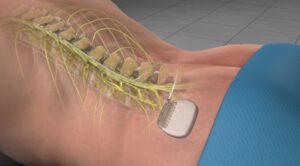

Shoulder Pain beneath the scapula (the area surrounding the shoulder blade) is a common musculoskeletal complaint in adults, often impacting daily activities and quality of life. This discomfort can result from a variety of causes, including muscular strain, nerve compression, postural abnormalities, or structural dysfunction within the shoulder girdle. At Cherry Medical, our multidisciplinary team combines expertise in pain management, neurology, and interventional therapies to accurately diagnose the underlying cause and provide personalized, evidence-based treatment strategies aimed at restoring function, reducing pain, and preventing recurrence.
Don’t let Shoulder Pain around the Scapula limit your life. Contact Cherry Medical at (714) 819-0000 for quick and expert evaluation.
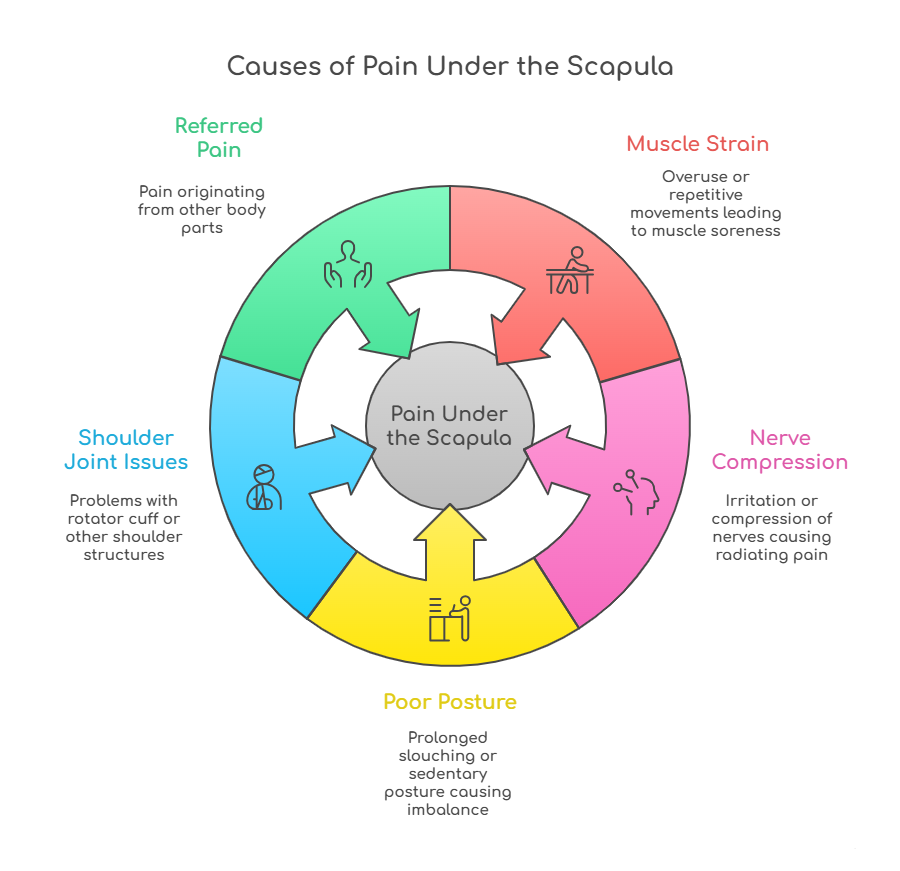
Causes of Shoulder Pain over the Scapula
- Muscle Strain and Overuse
Frequent repetitive movements, such as lifting heavy objects, overhead work, or prolonged poor posture (e.g. desk work), may overstress muscles around the scapula. Muscles commonly involved include the rhomboids, levator scapulae, and trapezius. This often results in a dull ache or soreness that worsens with activity or certain movements.
- Nerve Compression or Cervical Issues
Irritation or compression of nerves, especially those in the neck and upper spine, can refer pain to the area around the scapula. Conditions such as cervical radiculopathy or pinched nerves may cause sharp, burning or radiating pain. Sometimes this is accompanied by tingling, numbness, or weakness in the arm or shoulder region.
- Poor Posture and Scapular Dyskinesis
Long hours of desk work, slouching, or repetitive sedentary posture can lead to muscular imbalance. Over time, this can alter shoulder blade mechanics (scapular dyskinesis), leading to persistent discomfort over the scapula, even without acute injury.
- Shoulder Joint or Rotator Cuff Pathologies
Although pain may be felt around the scapula, the root cause can be in the shoulder joint itself. Issues with the rotator cuff tendons, bursitis, tendonitis, or labral tears may refer pain posteriorly. Pain might worsen at night, during overhead movements, or when lying down.
- Referred Pain from Internal or Other Structures
In rare cases, discomfort over the scapula may be referred from other structures, such as the spine, ribs, or even internal organs. Sudden onset, severe pain, or accompanying systemic symptoms (e.g. shortness of breath or chest discomfort) should prompt immediate medical evaluation.
Comprehensive Diagnosis & Treatment Options for Shoulder Pain around the Scapula
This table provides a comprehensive overview of both diagnostic and treatment methods for shoulder pain around the scapula. It highlights key clinical assessments, imaging and neurological tests, as well as conservative, interventional, and surgical treatment options. Designed for patients seeking expert guidance, this resource reflects Cherry Medical’s evidence-based approach to accurate diagnosis and personalized pain management.
| Categories of Diagnosis and Treatment | Methods | Descriptions |
|---|---|---|
| Clinical Examination | Physical Assessment | Evaluates shoulder blade motion, muscle strength, posture, and pain triggers. Helps differentiate muscular, joint, or nerve causes. |
| Patient History | Includes injury history, repetitive activities, work posture, lifestyle factors. Essential for identifying risk factors. | |
| Imaging Studies | X-ray | Assesses bone structure, alignment, and possible fractures or arthritis. |
| MRI | Provides detailed view of muscles, tendons, ligaments, and joint structures. Detects rotator cuff tears or inflammation. | |
| Ultrasound | Visualizes soft tissues, bursae, tendons; guides injections if needed. | |
| Neurological Evaluation | EMG | Measures electrical activity of muscles to detect nerve compression or damage. |
| Nerve Conduction Study | Evaluates function of peripheral nerves affecting shoulder and scapula. | |
| Conservative Treatment | Physical Therapy | Strengthening scapular stabilizers, improving posture, reducing muscle tension. |
| Activity Modification | Avoiding overhead lifting, repetitive strain; ergonomics adjustments. | |
| Medications | NSAIDs or pain relievers to reduce inflammation and discomfort. | |
| Heat & Cold Therapy | Reduces inflammation and alleviates muscle soreness. | |
| Interventional Treatment | Corticosteroid Injections | Targets bursitis, tendonitis, or localized inflammation under image guidance. |
| Nerve Blocks | Alleviates nerve-related pain by temporarily blocking nerve signals. | |
| Spinal Cord Stimulation | Advanced treatment for chronic shoulder or neuropathic pain when conservative therapy fails. | |
| Surgical Options | Rotator Cuff Repair | Performed in severe rotator cuff tears or structural injuries. |
| Shoulder Joint Surgery | Corrects structural deformities, labral tears, or arthritis. |
Effective Prevention and Lifestyle Tips for Shoulder Pain
Preventing shoulder pain around the scapula requires a combination of proper posture, regular exercise, and mindful ergonomic habits. Maintaining good posture while sitting and standing, especially during long hours at a desk, reduces unnecessary strain on the shoulder and surrounding muscles. Incorporating scapular stabilization and shoulder mobility exercises into your daily routine strengthens supporting muscles, improves flexibility, and enhances overall shoulder function. It is equally important to avoid heavy lifting or repetitive overhead movements without proper technique, as these can exacerbate pain or lead to injury. Finally, paying attention to early warning signs and seeking prompt medical evaluation when discomfort persists can help prevent chronic conditions and ensure timely, effective treatment.
Professional Care for Shoulder Pain over the Scapula
Shoulder pain around the scapula usually improves with rest, posture correction, and conservative therapy. However, early evaluation ensures accurate diagnosis, effective treatment, and prevention of chronic pain or complications and you should consult a medical professional at Cherry Medical if you experience:
- Persistent pain lasting more than a few weeks despite rest and posture adjustments.
- Sharp, radiating, or burning pain, possibly accompanied by tingling, numbness, or weakness in the arm or shoulder.
- Pain that worsens at night, interferes with sleep, or limits daily activit.ies.
- Sudden onset of pain following trauma, heavy lifting, or awkward movements.

Why Choose Cherry Medical for Shoulder Pain Over the Scapula?
Cherry Medical provides comprehensive, evidence-based care for shoulder pain over the scapula. Our multidisciplinary team, consisting of pain management specialists, neurologists, and interventional therapists, ensures accurate diagnosis and personalized treatment plans tailored to each patient’s needs. Patients benefit from advanced diagnostic tools, targeted interventions, and a patient-centered approach designed to relieve pain, restore function, and prevent recurrence.
Leading our clinical expertise is Dr. Alireza Bozorgi, a board-certified neurologist and pain management specialist with over 20 years of clinical and research experience. He has completed multiple fellowships and residencies in neurology and pain management, holds active medical licensure in California, and has published numerous peer-reviewed research papers. For full details on Dr. Bozorgi’s education, certifications, work experience, and publications, view his complete CV here. Together, Cherry Medical and Dr. Bozorgi combine cutting-edge knowledge, hands-on experience, and a commitment to patient care, making the clinic a trusted choice for individuals seeking relief from shoulder pain over the scapula.

FAQs about Shoulder Pain Over the Scapula
At Cherry Medical, we understand that shoulder pain over the scapula can be confusing, uncomfortable, and disruptive to daily life. Many patients have similar concerns about the causes, symptoms, and effective treatments for this condition. To help you navigate these common questions confidently, we’ve compiled a set of clear, evidence-based answers from our pain management and neurology specialists. Below, you’ll find the most frequently asked questions to guide you toward better understanding and informed care.
For additional information or to receive expert medical consultation, please Contact Us at Cherry Medical.
What causes shoulder pain over the scapula?
Pain can arise from muscle strain, ligament tension, overuse, or structural and nerve-related issues.
Can poor posture or long hours of sitting lead to scapula pain?
Yes. Prolonged sitting or slouching can strain the muscles around the scapula and cause pain.
What home remedies may help relieve pain around the scapula?
Rest, activity modification, heat or cold therapy, and over-the-counter anti-inflammatory medications (NSAIDs) can provide temporary relief.
When should I see a doctor for pain over the scapula?
If pain is severe, persistent, or accompanied by numbness, tingling, weakness, or neurological symptoms, professional evaluation is recommended.
How long does scapula pain take to heal with conservative treatment?
Recovery varies depending on the cause and severity, but many individuals improve within a few weeks to a few months with rest, physical therapy, and non-surgical care.
What is “snapping scapula syndrome” and can it cause pain?
It occurs when the space between the scapula and rib cage changes, causing the shoulder blade to “snap” or rub during movement, which can lead to pain and discomfort.
Is physical therapy effective for scapula pain?
Yes. Scapular stabilization and shoulder mobility exercises strengthen supporting muscles and improve posture, reducing pain over time.
How can I book an appointment at Cherry Medical in Santa Ana?
You can easily book an appointment with Dr. Alireza Bozorgi at Cherry Medical by:
- Calling us: (714) 819-0000
- Online booking:
- visit our website, “www.cherrymedical.org“ and fill out the appointment request form
- book online in the scheduling website at “http://www.patientfusion.com/doctor/alireza-bozorgi-30060“
- send us an email at “ask@cherrymedical.org“