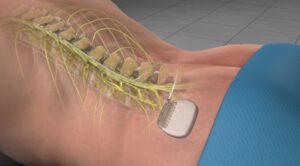

Pain under the shoulder blade, clinically known as scapular pain, is a common condition evaluated at Cherry Medical, where pain management and neurological disorders are carefully assessed using evidence-based approaches. This type of pain may result from musculoskeletal strain, poor posture, nerve compression, spinal pathology, or underlying neurological conditions. While mild cases may resolve with conservative care, persistent or worsening shoulder blade pain can indicate nerve involvement or complex pain syndromes that require specialized neurological evaluation. At Cherry Medical, accurate diagnosis and individualized treatment plans play a crucial role in relieving pain, restoring function, and improving long-term quality of life.
For fast and effective relief from Shoulder Blade Pain, contact Cherry Medical at (714) 819-0000 today.
Causes of Pain Under the Shoulder Blade
Identifying the root cause of shoulder pain is essential for accurate diagnosis and effective treatment. Below are the most common factors evaluated in Cherry Medical’s pain management and neurology clinics:
- Muscle Strain and Myofascial Pain
Overuse, poor posture, heavy lifting, or sudden movements can strain the muscles surrounding the scapula. Myofascial trigger points in the upper back muscles are a frequent source of localized or radiating shoulder blade pain.
- Poor Posture and Postural Imbalance
Prolonged sitting, forward head posture, and rounded shoulders place excessive stress on the upper back and shoulder muscles, leading to chronic pain beneath the shoulder blade.
- Cervical Spine Disorders
Conditions such as cervical disc herniation, degenerative disc disease, or cervical spondylosis can compress nerves, causing referred pain under the shoulder blade.
- Nerve Compression or Irritation
Compression of spinal nerves or the dorsal scapular nerve may result in sharp, burning, or tingling pain beneath the shoulder blade, often accompanied by numbness or weakness.
- Shoulder Joint and Rotator Cuff Injuries
Rotator cuff tears, shoulder impingement, or joint instability can alter movement patterns and lead to compensatory pain in the shoulder blade region.
- Thoracic Spine Dysfunction
Restricted mobility, joint inflammation, or structural abnormalities in the thoracic spine can cause mid-back pain that radiates to the shoulder blade.
- Visceral or Systemic Causes
In rare cases, pain under the left shoulder blade may be associated with cardiac conditions, while right-sided pain can be linked to gallbladder or liver disorders. These causes require immediate medical evaluation.
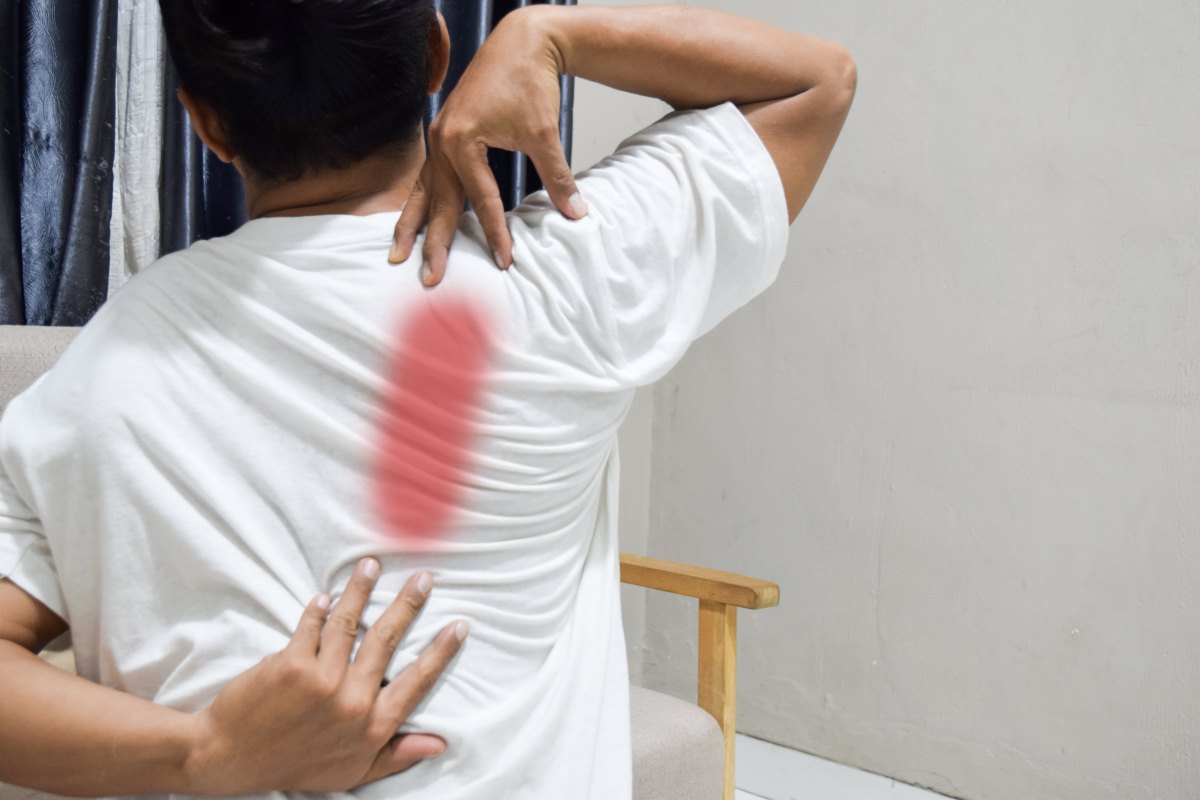
Inner Shoulder Blade Pain
Inner shoulder blade pain is discomfort felt along the inner edge of the shoulder blade near the spine. At Cherry Medical, we often evaluate this pain in the context of muscle tension, poor posture, nerve irritation, or cervical and thoracic spine disorders. It may present as a deep ache, burning sensation, or sharp discomfort, often worsening with prolonged sitting or repetitive movements. Persistent inner shoulder blade pain may indicate underlying nerve involvement and should be assessed by a pain management or neurology specialist at Cherry Medical for accurate diagnosis and effective treatment.
How to Relieve Shoulder Blade Pain
At Cherry Medical, our pain management and neurology specialists emphasize a combination of posture correction, targeted exercises, physical therapy, and lifestyle modifications to address both the symptoms and the root causes of shoulder blade pain. The table below summarizes key strategies for relief and the typical symptoms patients may experience.
| Method to Relieve Shoulder Blade Pain | Descriptions | Common Symptoms Associated |
|---|---|---|
| Posture Improvement | Maintaining proper posture while sitting, standing, and sleeping reduces strain on the shoulder and upper back muscles. | Muscle stiffness, dull ache, pressure in the upper back |
| Stretching & Strengthening | Gentle stretches for rhomboids, trapezius, and surrounding muscles, along with strengthening exercises, help prevent recurrent pain. | Limited mobility, muscle weakness, pain when lifting arms |
| Heat & Cold Therapy | Warm compresses relax tight muscles, while cold packs reduce inflammation and discomfort. | Localized inflammation, tenderness, shooting pain when touched |
| Pain Relief Medications | Over-the-counter or prescribed medications can provide short-term relief under professional supervision. | Burning or dull pain, mild swelling, muscle fatigue |
| Physical Therapy & Specialized Care | Targeted therapy, manual techniques, and neuromuscular rehabilitation address the root cause for long-term relief. | Chronic or sharp pain radiating to neck or arm, limited daily activity |
| Rest & Activity Modification | Avoid activities that worsen pain and allow muscles to recover. | Pain during strenuous activity, aggravated by prolonged sitting, muscle tightness |
When to Seek Medical Help for Shoulder Blade Pain
Most shoulder blade pain is mild and resolves with conservative care, but certain signs indicate that professional evaluation is necessary. Early evaluation by a pain management or neurology specialist at Cherry Medical ensures accurate diagnosis, targeted treatment, and prevention of chronic complications.
At Cherry Medical, we advise seeking medical attention if you experience any of the following:
- Persistent or worsening pain: Pain that does not improve after a few weeks of rest, stretching, and posture correction.
- Pain accompanied by neurological symptoms: Tingling, numbness, or weakness in the arms, hands, or fingers.
- Sudden severe pain: Especially if it occurs without obvious injury.
- Pain with systemic symptoms: Shortness of breath, chest pain, dizziness, or fever, which could indicate more serious conditions.
- Limited mobility or functional impairment: Difficulty lifting, reaching, or performing daily tasks due to shoulder or back pain.
Dr. Alireza Bozorgi is a board-certified neurologist and pain management specialist with over 20 years of clinical and research experience. He has completed multiple fellowships and residencies in neurology and pain management, holds active medical licensure in California, and has published numerous peer-reviewed research papers.
For full details on Dr. Bozorgi’s education, certifications, work experience, and publications, view his complete CV here.

How to Prevent Shoulder Blade Pain
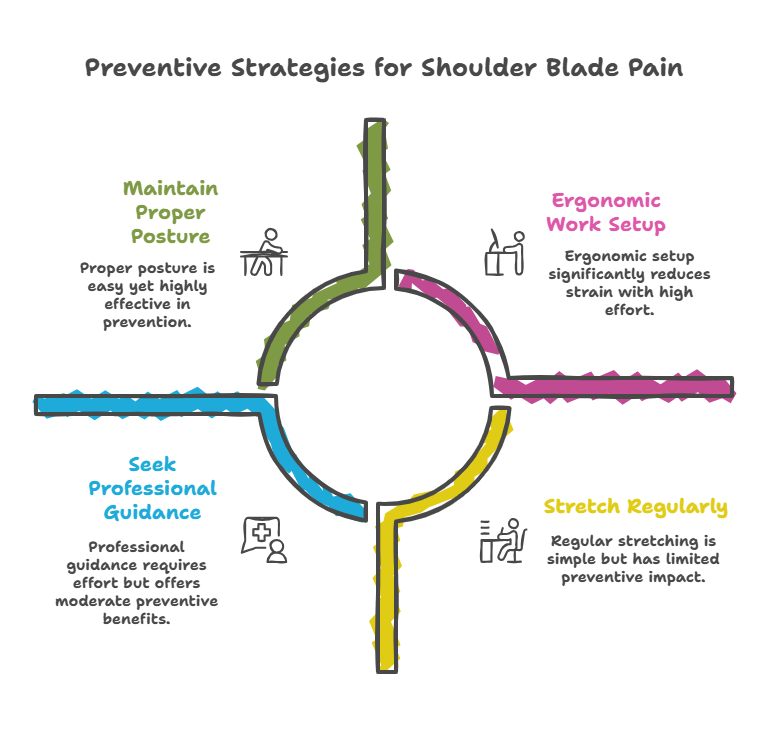
Preventing shoulder blade pain often focuses on maintaining proper posture, strengthening key muscles, and incorporating lifestyle habits that reduce strain on the back and shoulders. At Cherry Medical, our specialists recommend the following preventive strategies:
- Maintain Proper Posture
Keep your shoulders relaxed and back straight while sitting, standing, and sleeping. Avoid slouching or hunching over screens for long periods.
- Strengthen Back and Shoulder Muscles
Regular exercises targeting the rhomboids, trapezius, and surrounding muscles help stabilize the shoulder blades and prevent strain.
- Stretch Regularly
Gentle stretching throughout the day, especially if you sit for long periods, reduces muscle tension and improves flexibility.
- Ergonomic Work Setup
Ensure your desk, chair, and monitor are at proper heights to minimize shoulder and upper back strain.
- Avoid Overuse
Limit repetitive heavy lifting or prolonged static positions. Alternate tasks and take frequent breaks.
- Seek Professional Guidance
Routine check-ups with a pain management or neurology specialist at Cherry Medical can help identify early signs of shoulder blade problems and provide personalized preventive care.
The treatment Services offered at Cherry Medical are designed to support your physical well-being and help you recover effectively.
FAQs about Pain Under the Shoulder Blade
Patients experiencing shoulder pain often have many questions about its causes, symptoms, relief methods, and the best time to seek medical care. The specialists at Cherry Medical have compiled answers to the most frequently asked questions. These responses help you better understand your pain, recognize warning signs, and learn effective strategies for relief. If you need personalized consultation or further guidance, pleaseContact Us.
Why do I feel a burning sensation under my shoulder blade?
Muscle strain, nerve irritation, or inflammation can cause a burning feeling. Stretching and posture correction usually help, but persistent burning should be checked by a specialist.
What causes stabbing pain under the right shoulder blade?
Stabbing pain under the right shoulder blade can result from muscle strain, poor posture, nerve compression, or issues with the liver, gallbladder, or ribs. Persistent or severe pain should be evaluated by a pain management or neurology specialist.
What causes stabbing pain under the left shoulder blade?
Sharp pain under the left shoulder blade may be caused by muscle or ligament strain, nerve irritation, or referred pain from the heart or lungs. Sudden or severe pain, especially with chest discomfort, requires urgent medical attention.
What does shoulder blade pain on the left side indicate in women?
Shoulder blade pain on the left side in women can be related to musculoskeletal issues, poor posture, or internal organ problems (heart, lungs, or stomach). Persistent or worsening pain should be assessed by a specialist at Cherry Medical.
Can stress or anxiety cause shoulder blade pain?
Yes, stress can tighten shoulder and back muscles, leading to pain. Relaxation techniques and mindful posture can reduce discomfort.
Can shoulder blade pain be a sign of cancer?
Shoulder blade pain alone is rarely a sign of cancer. However, if pain is persistent, unexplained, severe at night, or accompanied by weight loss, fatigue, or lumps, it is important to consult a doctor immediately for proper evaluation.
How can I relieve shoulder blade pain effectively?
Relief strategies include posture correction, stretching and strengthening exercises, heat or cold therapy, over-the-counter or prescribed pain medications, and physical therapy. Specialists can provide personalized treatment plans for long-term relief.
What causes inner shoulder blade pain near the spine?
Inner shoulder blade pain, located along the spine, is often caused by muscle tension, poor posture, nerve irritation, or spinal issues. Persistent or worsening pain should be evaluated by a neurology or pain management specialist.
What causes upper back pain on the right side under the shoulder blade?
Pain under the right shoulder may be due to muscle strain, poor posture, cervical or thoracic spine disorders, or referred pain from organs such as the liver or gallbladder. Evaluation at Cherry Medical ensures an accurate diagnosis.
How can I relieve sharp stabbing pain under the right shoulder blade?
For sharp stabbing pain, short-term relief may include rest, gentle stretching, ice or heat therapy, and over-the-counter pain medications. Persistent or worsening pain should be assessed by a specialist to rule out nerve or organ-related causes.
How can I book an appointment at Cherry Medical in Santa Ana?
You can easily book an appointment with Dr. Alireza Bozorgi at Cherry Medical by:
- Calling us: (714) 819-0000
- Online booking:
- visit our website, “www.cherrymedical.org“ and fill out the appointment request form
- book online in the scheduling website at “http://www.patientfusion.com/doctor/alireza-bozorgi-30060“
- send us an email at “ask@cherrymedical.org“