
Shoulder Pain can result from a variety of causes, ranging from injuries to chronic conditions affecting the muscles, tendons, ligaments, joints, or bones in the shoulder region.The shoulder is a complex joint that allows for a wide range of motion, making it susceptible to injury and wear and tear. Shoulder pain may manifest as localized discomfort, radiating pain, or stiffness, and it can significantly affect arm mobility and daily activities. By visiting Cherry Medical Clinic, you can be examined by specialist doctors and have your shoulder pain treated in the shortest possible time
Call Cherry Medical today at (714) 819-0000 to get professional treatment for your Shoulder Pain and start feeling better immediately.
The shoulder is one of the most complex joints in the body, allowing a wide range of motion for the arm and upper body. The shoulder joint is made up of several key structures, allowing it to move in multiple directions. However, this structural complexity also makes the shoulder vulnerable to injuries and wear over time. Therefore, if you experience shoulder pain, prompt evaluation and treatment by a specialist are essential. Key Structures of the Shoulder:

The table below at Cherry Medical highlights the most common causes of shoulder pain, provides detailed explanations for each condition, and offers practical prevention tips to maintain shoulder health and prevent injuries.
| Cause of Shoulder Pain | Description | Prevention Methods |
|---|---|---|
| Rotator Cuff Injury | Tears or inflammation of the rotator cuff tendons usually result from overuse, heavy lifting, or direct trauma. Causes severe pain, weakness, and limited arm movement. | Strengthen shoulder and rotator cuff muscles, warm up before exercise, avoid repetitive heavy motions, and use proper lifting techniques. |
| Shoulder Osteoarthritis | Wear and tear of shoulder joint cartilage leads to pain, stiffness, and reduced range of motion. Common in adults over 40. | Maintain a healthy weight, perform gentle exercises to preserve joint mobility, avoid excessive strain, and seek timely medical care. |
| Frozen Shoulder (Adhesive Capsulitis) | Inflammation of the shoulder capsule causes stiffness, severe pain, and limited motion. | Regular stretching exercises, maintain daily activities without overexertion, preventive physical therapy for high-risk individuals. |
| Shoulder Bursitis | Inflammation of the bursa (fluid-filled sacs between bone and muscles) causes pain, swelling, and tenderness. | Avoid repetitive overhead movements, use protective gear in sports or physical work, warm up and stretch before activity. |
| Cervical Radiculopathy | Compression or irritation of neck nerves can radiate pain to the shoulder, often accompanied by numbness or weakness. | Maintain proper neck posture, strengthen neck and shoulder muscles, avoid prolonged forward head positions, take adequate rest. |
| Traumatic Injury (Fall or Direct Impact) | Direct trauma or falling on the shoulder may cause fractures, dislocations, or soft tissue injuries. | Use safe techniques in sports, protective equipment, and avoid high-risk movements. |
| Tendonitis (Other Tendons) | Inflammation of other shoulder tendons due to repetitive activity or lifting heavy objects. | Rest appropriately, perform strengthening exercises, use proper lifting techniques, avoid continuous strain. |
The symptoms of shoulder pain vary depending on the underlying cause, but common signs include:

After a proper evaluation and diagnosis, treatment is planned. It depends on the underlying cause, severity, and duration of the pain. Sometimes the situation is so advanced that nothing can be done other than surgery. But most people will improve with these:
Avoiding movements that aggravate the pain can help the shoulder heal naturally. Listen to your body and limit activities that strain the joint.
Ice can help reduce inflammation and numb pain, while heat can help relax stiff muscles. Ice packs are often more effective for acute pain and injuries, while heat packs are better suited for chronic pain and muscle stiffness.
Shoulder physiotherapy improves range of motion, strengthens muscles, corrects posture, and prevents future injuries.
Anti-inflammatory drugs such as ibuprofen or naproxen may reduce pain and inflammation.
In cases of severe inflammation, steroid injections can relieve pain and swelling.
PRP (Platelet-Rich Plasma) is an effective treatment that helps accelerate the healing of tendon and soft tissue injuries in the shoulder.
Reserved for severe cases such as complete rotator cuff tears or advanced joint damage. Arthroscopic surgery may restore function and reduce pain.
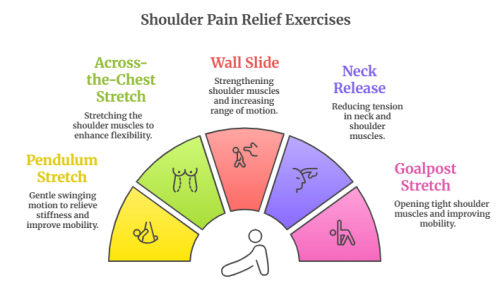
Shoulder pain exercises can help improve flexibility, restore range of motion, and reduce discomfort. Some of the most effective exercises include the Pendulum Stretch, Across-the-Chest Stretch, Wall Slide, Neck Release to relieve muscle tension, and the Goalpost Stretch. These exercises should be performed gently and in a controlled manner, and if you experience severe pain or discomfort, be sure to consult a doctor or physical therapist. For more detailed guidance and personalized instructions, you can contact our expert team at Cherry Medical Clinic.
Seeing a doctor for shoulder pain is crucial to ensure timely treatment and prevent potential complications. Early evaluation by a specialist can prevent further damage, speed up recovery, and ensure the right treatment plan is followed. If you notice any of the following symptoms, it’s best to consult a specialist as soon as possible.
Cherry Medical Clinic provides comprehensive Services for effective pain management to meet all patient needs.
Sudden shoulder pain without any obvious injury can be alarming and may indicate an underlying medical condition. Causes can range from inflammation of the tendons or bursae, a sudden muscle spasm, to referred pain from the neck or even the heart. For example, pain in the left shoulder without trauma can sometimes be a warning sign of a heart-related issue. Other possibilities include frozen shoulder, arthritis flare-ups, or nerve compression in the cervical spine. It is important to monitor the symptoms and seek prompt medical evaluation, especially if the pain is severe, persistent, or accompanied by swelling, weakness, or numbness. Early diagnosis ensures proper treatment and prevents potential complications.

The following frequently asked questions can help you find quick and effective solutions for shoulder pain. For more information and expert consultation on treating all types of shoulder pain, Contact Us at Cherry Medical.
While the source of pain is in the neck, the pain can be felt in shoulders. Here it can be confused for a local shoulder injury. The neck as the source of shoulder pain is usually a sharp, burning or tingling pain. The person may or may not complain of neck pain too. The pain from local shoulder injury is usually a deep aching pain in the shoulder with less or no involvement of neck pain. Ultimately your doctor is able to make this very essential distinction by detailed history, examination and MRI.
First, let’s have an evaluation by your doctor to make sure you don’t need something to be fixed NOW. Usually, we give a 6 weeks timeframe to all other no-needle/surgical knife treatment such as physical therapy and medications. If the pain is still there, then we will consider needle treatment.
Most of the time, a needle with the same thickness of one or two strands of hair, is used for the injection. Seeing through your shoulder with a modern ultrasound machine makes it easy to use thinner needles for injections.
Usually, the office injections are not worse than the pinching you feel during flu vaccine. For some injections, a spray of numbing medication is more than enough. If your doctor decides to inject you in the surgery center, a strong form of numbing will be used.
Resting the shoulder, applying ice or heat, taking over-the-counter pain relievers, and performing gentle stretching exercises can help alleviate mild shoulder pain.
Yes, physical therapy can strengthen shoulder muscles, improve flexibility, and reduce pain, especially for conditions like rotator cuff injuries and frozen shoulder.
Yes, left shoulder pain, especially when accompanied by chest pain, shortness of breath, or nausea, can be a symptom of a heart attack. Seek emergency medical attention immediately.
Recovery time varies depending on the cause of the pain. Mild conditions may improve within a few weeks, while more severe injuries could take several months.
Maintaining good posture, avoiding repetitive overhead motions, using ergonomic equipment, and staying active can reduce the risk of shoulder pain.
Left shoulder pain can result from muscle strain, tendon or joint issues, nerve compression, or in some cases, heart-related problems. If the pain is sudden, severe, or accompanied by chest discomfort, seek medical attention immediately.
You can easily book an appointment with Dr. Alireza Bozorgi at Cherry Medical by:
To book an appointment and receive a consultation, please call us or fill out the form. We will contact you as soon as possible.