
Perineal Pain refers to discomfort or pain in the perineum, which is the area between the anus and the genitals. This pain can vary in intensity and may present as sharp, dull, aching, or throbbing. The perineum contains numerous muscles, nerves, and tissues, so irritation or injury in this area can lead to significant discomfort. Understanding perineum pain, its causes, and treatment options can help individuals manage symptoms and improve their quality of life. The perineal pain is sometimes referred to as Pelvic Pain.
The Perineum is a small but complex region of the body. In men, it lies between the scrotum and the anus, while in women, it is between the vulva and the anus. The perineum muscles support pelvic organs, assist in urinary and bowel function, and play a role in sexual activity. Damage, tension, or inflammation in these muscles can cause perineal pain, which may range from mild discomfort to severe, chronic pain.
For fast relief from Perineal Pain and specialized treatment, call Cherry Medical today at (714) 819-0000.
The following points explain the causes of perineal pain in the perineum and the ways to prevent this condition:
| Cause of Perineal Pain | Explanation | Prevention Tips |
|---|---|---|
| Trauma or Injury | Direct injury from accidents, surgery, or vigorous physical activities can damage perineum muscles and surrounding tissues. Even childbirth may cause perineal pain in the perineal area. | Use protective gear, avoid prolonged pressure on the perineal area, and maintain proper posture during exercise and sitting. |
| Infections, Cysts, or Abscesses | Conditions like prostatitis, urinary tract infections (UTIs), or sexually transmitted infections (STIs) can inflame the perineal area and cause perineum pain. | Maintain good hygiene, stay hydrated, treat infections promptly, and practice safe sexual activity. |
| Hemorrhoids | Enlarged or inflamed veins in the rectum or anus can radiate pain to the perineal area, affecting perineum muscles. | Eat a fiber-rich diet, avoid constipation, stay hydrated, and perform light physical activity. |
| Pelvic Floor Dysfunction | Tension or spasms in perineum muscles can result in chronic perineal pain in both men and women. Stress, poor posture, or repetitive strain worsen the condition. | Perform pelvic floor exercises, gentle stretching, perineum massage, yoga, and consult a pelvic floor therapist. |
| Chronic Pelvic Pain Syndromes | Chronic conditions like prostatitis (in men) or vulvodynia (in women) involve nerve sensitization and muscle dysfunction, causing long-term perineum pain. | Early treatment, stress management, pelvic floor therapy, and medical follow-up for chronic conditions. |
| Post-surgery Pain | Surgical procedures such as prostate surgery or gynecological surgery can inflame the perineal area and damage perineum muscles, leading to post-operative perineal pain. | Follow post-surgical care, practice pelvic floor rehabilitation, maintain hygiene, and perform gentle perineum muscle exercises. |
| Prolonged Sitting & Chronic Pressure | Sitting for long periods on hard surfaces puts pressure on perineum muscles and soft tissue, causing irritation and perineal pain. | Use soft cushions or donut pillows, change positions frequently, and avoid prolonged sitting. |

The symptoms of perineal pain may appear intermittently or, depending on the cause, persist continuously:
Medical examination for the diagnosis and treatment of perineal pain at Cherry Medical typically begins with a thorough physical examination of the perineal area to identify any visible signs of inflammation, tenderness, or structural abnormalities. The evaluation also includes an assessment of the perineum muscles to detect tension, spasms, or injury that may contribute to discomfort. To rule out underlying infections, urine and blood tests are often performed. In some cases, imaging studies such as ultrasound or MRI may be recommended to investigate internal structures and detect potential complications. Based on the findings, patients may be referred to specialists, including urologists, gynecologists, or pelvic floor therapists, to ensure a comprehensive, targeted approach to managing perineal pain.
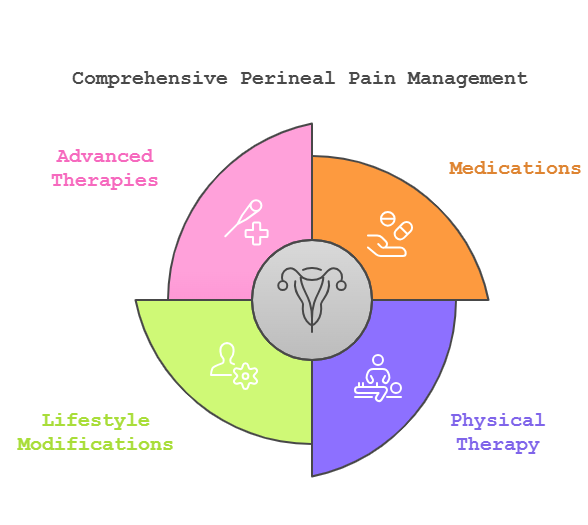
Management of perineal pain depends on its underlying cause, and treatments may include pain relievers, physical therapy, or antibiotics in cases of infection. For persistent or severe perineal pain, medical evaluation is recommended. For specialized care, you can receive treatment under the supervision of our expert physicians at Cherry Medical.
Treatment of perineal pain often includes pain relievers like acetaminophen or NSAIDs to reduce discomfort. If an infection is present, antibiotics may be prescribed. Muscle relaxants help relieve spasms in the perineum muscles and reduce persistent perineal pain.
Non-drug treatment for perineal pain includes targeted pelvic floor exercises and perineum massage to strengthen and relax the perineum muscles. Biofeedback also helps control muscle tension and reduce chronic perineal pain.
To prevent perineal pain, avoid prolonged sitting and use soft cushions. Wear loose-fitting clothing, maintain a fiber-rich diet to reduce constipation, and practice gentle stretching or yoga to relax perineum muscles.
For chronic perineal pain, treatments may include nerve blocks or corticosteroid injections. Psychological support, such as CBT, can also help manage persistent discomfort and improve overall coping.
Perineum massage is a technique used to relax and stretch perineum muscles, improving blood flow and reducing tension. Regular gentle massage can:
Always consult a healthcare professional before starting perineum massage, especially post-surgery or during pregnancy.
How to perform perineum massage:
Experience the best neurological pain treatment Services at Cherry Medical today!
At Cherry Medical, we recommend seeing a doctor if perineal pain lasts more than a few days, becomes intense, or affects daily activities such as sitting, urination, or sexual function. Persistent pain in the perineum can be a sign of infections, nerve irritation, or pelvic floor dysfunction that requires expert evaluation. Our specialized physicians at Cherry Medical provide accurate diagnosis and personalized treatment plans to relieve discomfort and promote faster healing in the perineal area.

The frequently asked questions below about perineal pain can help in the faster diagnosis and more effective treatment of this condition in both women and men. For specialized consultation and further guidance on perineal pain, you can Contact Us at Cherry Medical.
Perineal pain in men can result from prostatitis (inflammation of the prostate), pelvic floor dysfunction, local infections, trauma or injury (e.g. straddle injury, cycling pressure), or nerve entrapment (e.g. pudendal nerve) that refers pain to the perineum.
Some discomfort or mild pain in the perineum is common after vaginal childbirth due to stretching, tearing, or episiotomy. However, if the pain persists beyond the usual healing period (several weeks) or intensifies, it’s not normal and should be evaluated by a healthcare professional.
It depends on the cause. For mild injury or postpartum tears, pain often improves within weeks to a few months. But in cases of chronic conditions (pelvic floor dysfunction, nerve entrapment), pain may persist or recur unless underlying cause is treated.
Yes, prolonged pressure on the perineum during cycling, especially on narrow saddles, can compress nerves and blood vessels, leading to perineal discomfort or pain over time. This is a known risk factor for perineal injury in males.
Targeted pelvic floor exercises (often under guidance) and perineum massage can help strengthen and relax perineum muscles, improve circulation, and reduce discomfort. Biofeedback may assist in controlling muscle tension.
Potentially, in men, conditions like prostatitis and other prostate inflammation can cause referred pain to the perineum. If pain is accompanied by urinary or sexual symptoms, prostate evaluation may be warranted.
Yes, infections such as urinary tract infections, abscesses, or infections of nearby glands or skin can cause inflammation, swelling, and pain in the perineal area. In such cases, antibiotics are often part of the treatment.
While both may cause discomfort in a nearby region, hemorrhoid pain is often associated with bowel movements, bleeding, itching, or swelling in the anal area. Perineal pain is more centered between the anus and the genitals and may worsen with sitting, urination, or pelvic floor activity. Clinical examination is needed for accurate distinction.
Yes, pudendal nerve entrapment or irritation is a recognized cause of chronic perineal pain. Compression or inflammation of the pudendal nerve may lead to pain, burning, or numbness in the perineal area.
Usually you need extensive evaluation by your doctor including history and examination. We ask you to be evaluated by your OB/GYN or urologist first because sometimes the pain is coming from something that can be surgically fixed. If all other treatments fail, come and talk to us!
You can easily book an appointment with Dr. Alireza Bozorgi at Cherry Medical by:
To book an appointment and receive a consultation, please call us or fill out the form. We will contact you as soon as possible.