
Chronic pelvic pain

Chronic pelvic pain involves both men and women, although it is more frequent in women. In our clinic, we assume you have already spoken with a gynecologist, GI specialist, or urologist.

Chronic Pelvic Pain involves both men and women, although it is more frequent in women. In our clinic at Cherry Medical, we assume that you have already consulted with an obstetrician-gynecologist (OBGYN), a gastrointestinal specialist, or a urologist. However, there are reasons why other doctors need to evaluate you before we can. The pelvic pain is sometimes referred to as Perineal Pain

At our clinic, we specialize in treating musculoskeletal and nerve pain. Other physicians might have evaluated you, and despite some treatments, you continue to have pain. To simplify this issue, we combine deep pelvic pain with perineal pain, which refers to pain in the private area and can be felt deep or superficial. We talk about buttock pain here separately. As you will notice, there is a considerable overlap between pelvic, perineal, and buttock pain.

Call Cherry Medical today at (714) 819-0000 to get expert treatment for all types of chronic pelvic pain.

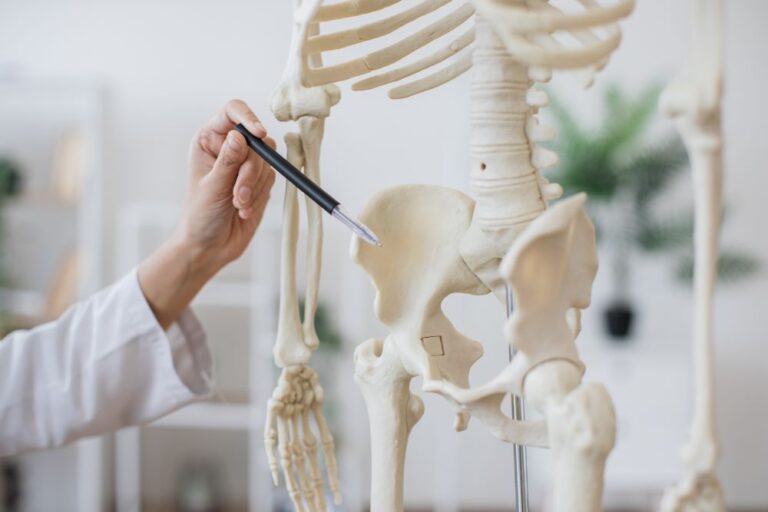
Pelvis
Pelvis

Chronic Pelvic Pain Causes

Chronic pelvic pain can result from a variety of common causes, including gynecological, gastrointestinal, urological, and musculoskeletal or nerve-related conditions. Understanding the main pelvic pain causes is essential for proper diagnosis and treatment. The table below highlights the most frequent causes of chronic pelvic pain:

Cause CategoryExamples of ConditionsExplanation
Gynecological CausesEndometriosis
Ovarian Cysts
Pelvic Inflammatory Disease (PID)
Pelvic Congestion Syndrome
Common in women; often linked to periods, infections, or pregnancy-related changes.
Gastrointestinal CausesIrritable Bowel Syndrome (IBS)
Chronic Constipation
Inflammatory Bowel Disease
Digestive issues that may mimic or worsen pelvic pain, especially during menstruation.
Urological CausesInterstitial Cystitis / Painful Bladder Syndrome
Recurrent Urinary Tract Infections (UTIs)
Cause lower abdominal or bladder pain, often without clear infection.
Musculoskeletal & Nerve-Related CausesSacroiliac Joint Dysfunction
Pelvic Girdle Pain
Pudendal Neuralgia
Coccygodynia (Tailbone Pain)
Nerve and joint problems leading to pelvic or tailbone pain, worsened by sitting or activity.

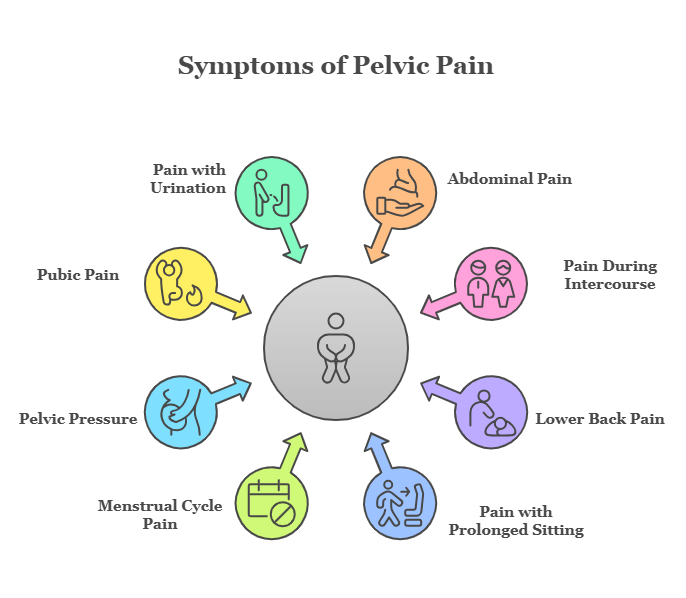
Pelvic pain symptoms

The symptoms of chronic pelvic pain can vary depending on the underlying condition, but they usually include the following:

  • Persistent or intermittent pain in the lower abdomen or pelvis
  • Pain during or after sexual intercourse
  • Lower back pain
  • Pain while sitting or standing for long periods
  • Menstrual cycle–related worsening of pain
  • Feeling of pressure or heaviness in the pelvic region
  • Burning or stabbing pain in the pubic area
  • Pain during urination or bowel movements

Pelvic pain symptoms

Common Causes and Syndromes of Chronic Pelvic Pain in Women and Men

Chronic pelvic pain is a complex condition causing discomfort in the lower abdomen, pelvis, or perineal area. Understanding the common causes and syndromes behind this pain is essential for proper diagnosis and effective treatment. Factors can range from gynecological issues, such as endometriosis and pelvic congestion syndrome, to musculoskeletal problems like pelvic girdle pain and coccygodynia. Additionally, gastrointestinal and urological disorders, including IBS and painful bladder syndrome, often play a significant role. In this section, we review the most frequent conditions causing pelvic pain, their symptoms, and typical treatment approaches in both women and men.


Pelvic Girdle Pain

Pelvic Girdle Pain (PGP) causes discomfort in the lower back, buttocks, or around the scrotum or vagina, often linked to pregnancy or childbirth. It may stem from joint instability, sacroiliac inflammation, or musculoskeletal strain. Symptoms include pain when standing, sitting, walking, or bending. Diagnosis is mostly clinical, and treatment focuses on pelvic exercises, physical therapy, supportive belts, and pain management. Sacroiliac Joint inflammation is a related condition with similar symptoms.


Levator Syndrome

This condition involves pain or spasm arising from different muscles in the buttocks and pelvis, such as the piriformis and puborectalis muscles. Women are more prone to it. Typically, this pain is characterized by a vague, dull pressure or ache that worsens with sitting or lying down. Treatment options for Levator Syndrome include physical therapy, steroid injections, and sometimes Botox injections into the culprit muscle.


Coccygodynia

Abnormal movements of the coccyx (the tailbone) can cause Coccygodynia. It frequently occurs after localized trauma, lengthy sitting, or cycling. As a result, it can get worse when you sit, bend over, or get up, as well as during sexual activity or while defecating. Fortunately, the treatment typically involves injections around the tailbone, a relatively superficial structure. This means the needle does not have to go deep to reach it.

 

Coccydynia

Tailbone pain


Pelvic Congestion Syndrome

One quick note about a particular woman’s issue, as it may go undiagnosed for a while: Pelvic Congestion Syndrome. It typically affects women between the ages of 20 and 30. Typically, it worsens before periods and toward the end of the day, rather than in the mornings. For example, some people may feel pain during or after sexual encounters. The doctor may use imaging such as MRI or ultrasound to confirm this diagnosis. Depending on severity, treatment can include medication or, in more advanced cases, injections.


Irritable Bowel Syndrome and Painful Bladder Syndrome

Another condition is Irritable Bowel Syndrome (IBS). It is pretty common. Moreover, it can coexist with chronic low back pain, chronic headache, depression, and anxiety. On the other hand, a potentially confusing factor is that IBS pain may worsen during menses. Painful Bladder Syndrome is another explanation for an unpleasant sensation in the lower abdomen or pubic area (pain, pressure, or discomfort) in the absence of any infections or other identified causes. Sometimes, it may develop after recovery from infection, inflammation, pelvic surgery, childbirth, or urological procedures.

 

Pelvic pain
Pelvic pain

Nerves Involved in Pelvic Pain or Perineal Pain

In general, we attempt to identify a few major nerves that may be responsible for nerve-related pain in the pelvis or perineum.
These nerves include:

  • Iliohypogastric Nerve
  • Ilioinguinal Nerves
  • Genitofemoral Nerve
  • Lateral Femoral Cutaneous Nerve
  • Obturator Nerve
  • Posterior Femoral Cutaneous Nerve
  • Pudendal Nerve
  • These nerves are commonly associated with nerve-related pelvic pain and can contribute to chronic pelvic pain in both men and women. A thorough evaluation by a specialist can help identify the affected nerves and guide effective treatment. For more information and expert consultation, please contact our specialist team at Cherry Medical.


  • Effective Treatment Options for Chronic Pelvic Pain

    Chronic pelvic pain treatments should be guided by a neurologist or specialist, as they vary depending on the underlying condition. Below, we outline the recommended treatment options for each type of pelvic pain:

    Type of Pain / CauseMain Treatment Options
    Pelvic Girdle Pain & Sacroiliac Joint InflammationPelvic stability exercises, physical therapy, supportive belts, anti-inflammatory medications
    Levator SyndromePhysical therapy, steroid injections, Botox injections into affected muscle
    Coccygodynia (Tailbone Pain)Local injections, cushions or padding, physical therapy
    Pelvic Congestion SyndromeMedications, vein embolization, lifestyle modifications
    Irritable Bowel Syndrome (IBS)Dietary changes, antispasmodics, stress management
    Painful Bladder SyndromePelvic floor physical therapy, pain relief medications, nerve-targeted injections
    Nerve-Related Pelvic Pain (Pudendal & other nerves)Nerve blocks or injections, physical therapy, neuropathic pain medications
    EndometriosisHormonal therapy, pain medication, laparoscopic surgery
    Post-Surgical or Postpartum Pelvic PainPhysical therapy, pelvic floor rehabilitation, pain management


Services and Treatments for Various Neurological Pains at Cherry Medical

FAQs about Chronic Pelvic Pain

The following frequently asked questions about chronic pelvic pain can help you find the most suitable treatment for yourself. For specialized consultation and further guidance, please Contact Us at Cherry Medical.

How do you do the injections for these pains?

Everything depends on the proper diagnosis. Usually, the diagnosis is achieved by talking with you and an appropriate examination. Sometimes we do a test injection into the suspicious structure. With significant pain drop, we prove that this structure is the source of your pain. We always use ultrasound to look into your body and guide the needle. 

How is chronic pelvic pain diagnosed?

Diagnosis involves a thorough medical history, physical examination, and may include tests like ultrasounds, CT scans, or laparoscopy to identify underlying causes.

Can chronic pelvic pain be cured?

While some causes can be managed or treated effectively, chronic pelvic pain may require long-term management strategies tailored to the individual’s condition.

Is chronic pelvic pain common?

Yes, it affects a significant number of individuals, with estimates suggesting that about 15% of women aged 18 to 50 experience chronic pelvic pain.

Can men experience chronic pelvic pain?

Absolutely. Men can suffer from chronic pelvic pain, often related to prostate issues, pelvic floor dysfunction, or nerve-related conditions.

How does chronic pelvic pain impact daily life?

It can interfere with work, sleep, sexual activity, and overall quality of life, leading to emotional and psychological distress.

When should I seek medical attention for chronic pelvic pain ?

If you experience persistent pelvic pain lasting more than six months, or if the pain is severe and affects your daily activities, consult a healthcare provider.

How can I book an appointment at Cherry Medical?

You can easily book an appointment with Dr. Alireza Bozorgi at Cherry Medical by:

Alireza Bozorgi, MD

Neurology, pain management

Call Or Fill The Form

To book an appointment and receive a consultation, please call us or fill out the form. We will contact you as soon as possible.