

Tension headache
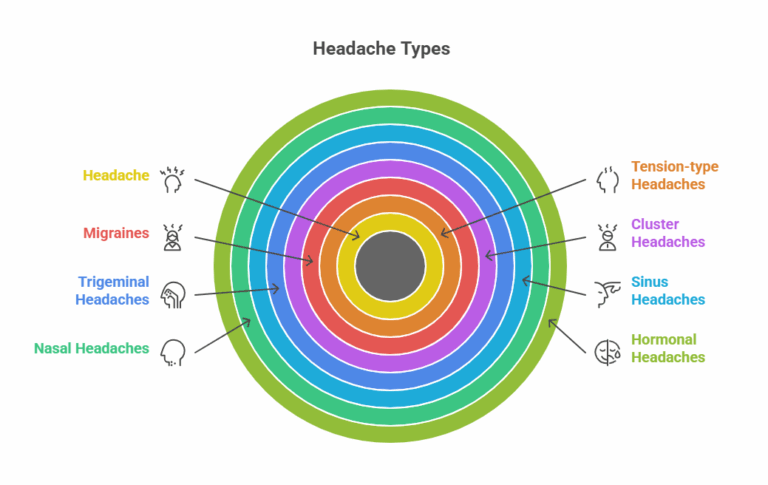
Tension-type headaches are often triggered by stress or poor posture and can become chronic if left untreated. Symptoms of this type of headache include a dull, band-like pressure or aching sensation around the forehead, scalp, or neck. Tension headaches can be short-lived or may last for several days. However, nausea, vomiting, or sensitivity to light and sound is usually not a significant issue.
Treatment Options for Tension-Type Headache:
A hypertension headache is a type of headache caused by high blood pressure. These headaches are often described as a dull, throbbing pain, usually felt on both sides of the head, and may be more noticeable in the morning. They can be accompanied by symptoms such as dizziness, blurred vision, or fatigue. Persistent high blood pressure increases pressure in the brain’s blood vessels, which can trigger pain and discomfort, especially in individuals over 40, those who are obese, consume high amounts of salt, experience stress, or have a family history of hypertension.
Treatment Options for Hypertension Headache:

Migraine
Migraine is an umbrella word, and it is so big that many types of headaches can fit under it. Therefore, we call all of these migraine. There must be a combination of specific features in a headache to be classified as a migraine. Migraine headaches are intense and throbbing. They may last for days with no relief, even when you are sleeping. Additionally, people may have nausea or sensitivity to light, sound, or smell. Sometimes, people get some warning that a headache will start soon. These can include seeing flashing lights, zigzag lines, or blind spots.
Common triggers for headaches include hormonal changes —especially in women— stress, and certain foods like chocolate, cheese, or caffeine. Alcohol consumption, lack of sleep, and changes in weather can also provoke headaches. Identifying and managing these triggers can help reduce the frequency and severity of headache episodes.
Treatment Options for Migraine Headache:
Chronic migraines and tension headaches may overlap and become almost continuous, a condition called Chronic Daily Headache. Overuse of pain medications can sometimes worsen headaches, known as Medication Overuse Headache
Cluster Headache
Cluster headache is a very painful type of headache that occurs in cyclical patterns, usually around or behind one eye. During episodes, patients may experience tearing, nasal congestion, or redness in the affected eye.
Treatment Options for Cluster Headache:

Trigeminal Neuralgia
Trigeminal headache, also known as trigeminal neuralgia, is a severe type of headache that typically affects one side of the face and is characterized by sharp, throbbing, or electric shock-like pain. Attacks can be brief but may recur several times throughout the day, and even light touch or movement in the affected area can trigger intense pain. Patients may also experience tearing, redness in the eye, nasal congestion, or a runny nose on the same side of the face. These episodes can significantly interfere with daily activities such as eating, speaking, or washing the face, making early diagnosis and effective treatment essential.
There are several subtypes of trigeminal headaches, including Paroxysmal Hemicrania and SUNCT/SUNA syndromes, each with its own patterns and triggers. Effective treatment typically includes prescription medications, nerve blocks, or lifestyle adjustments to manage triggers and reduce the frequency of attack.
Treatment Options for Trigeminal Headache:
A sinus headache occurs when the sinuses become inflamed or congested, often due to infections or allergies. This type of headache typically causes pressure and pain around the forehead, cheeks, and nose, and may be accompanied by nasal congestion, runny nose, or facial swelling. Sinus headaches can worsen when bending forward or lying down.
Treatment Options for Sinus Headache:
A nasal headache is a type of headache that originates from issues within the nasal passages rather than the sinuses. It can be caused by structural problems such as a deviated septum, nasal polyps, or chronic nasal congestion. The pain is usually felt in the front of the face, around the nose and eyes, and may worsen with certain head positions or when touching the affected area. Unlike sinus headaches, nasal headaches may occur without infection or significant sinus inflammation.
Treatment Options for Nasal Headache:
Hormonal headaches are a type of headache linked to fluctuations in hormone levels, most commonly occurring in women. They often happen during the menstrual cycle, pregnancy, perimenopause, or menopause, when estrogen and progesterone levels change significantly. These headaches can range from mild to severe and may resemble migraines, with symptoms such as throbbing pain, sensitivity to light or sound, and nausea.
Treatment Options for Hormonal Headache:
Sometimes, a headache can be a sign of a more serious underlying condition. For example, we have all experienced headaches when we had the flu. Many types of headaches require evaluation by a specialist. If a new headache develops or some of its characteristics change, please co