
A neurologist diagnoses, treats, and manages disorders of the nervous system. This system includes several structures such as the brain, the spinal cord, nerves, and muscles. Over the past few decades, the field of neurology has expanded so significantly that no neurologist can master all aspects of this science. Now the neurologists are getting “sub”-specialized in epilepsy, multiple sclerosis, brain tumors, Parkinson’s disease, dementia, muscle and nerve diseases, and strokes.
Neurologists are known among other doctors to have the best examination skills. So, they combine this with reviewing a patient’s medical history and obtaining pertinent symptoms. A neurologist may supplement the above information with tests such as magnetic resonance imaging (MRI), computed tomography (CT) scans, electroencephalograms (EEGs), electromyography (EMG), and lumbar punctures to better understand the extent and cause of neurological conditions. Sometimes, a neurologist manages a neurological problem by prescribing medications such as anti-epileptic drugs for seizure control, dopamine agonists for Parkinson’s disease, Botox for headaches, and immunomodulatory drugs for multiple
Call Cherry Medical at (714) 819-0000 for expert Neurology consultation and to book your appointment today.
Currently, many neurological disorders are incurable. They may be managed, but we cannot make them disappear. We like to be optimistic, as advancements in treatments have been exponential over the past two decades. In 2000, there were only two medications approved by the FDA for treating MS. Now, there are 14. Yet, we do not know any way to reverse MS. However, we can certainly control it. For some diseases, we have learned how to decrease symptoms or alleviate suffering from incurable conditions effectively. We know we cannot fix them. But why should a patient hear them scream and annoy them every second of their life?
The treatments are not only medications, but also various forms of therapy designed to enhance the quality of life for patients with neurological disorders. Neurologists provide long-term care and monitoring for chronic neurological conditions, adjusting treatments as needed and helping patients manage symptoms. Pain is a good example of the intersection of two major branches of medicine: neurology and pain management. We have gotten excellent at alleviating the pain. We do it very decisively.
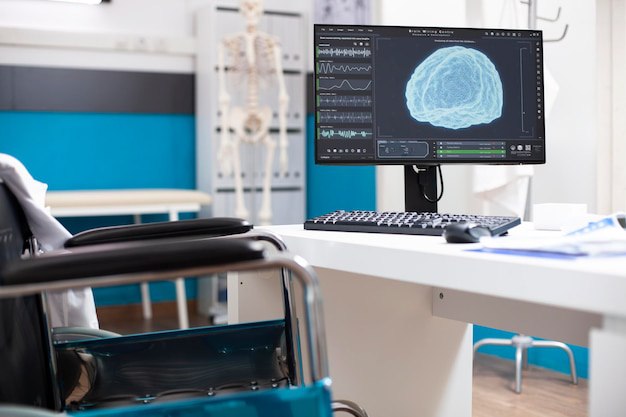
A neurology doctor, or neurologist, is a medical specialist who focuses on the nervous system, including the brain, spinal cord, peripheral nerves, and muscles. At Cherry Medical, Dr. Alireza Bozorgi and the team of expert neurologists carefully diagnose, treat, and manage a wide range of neurological disorders, providing personalized care and support to help patients maintain their quality of life, improve overall nervous system health, and achieve the best possible outcomes.
Neurologists specialize in many disorders, including:
A stroke occurs when blood flow to the brain is suddenly interrupted, leading to potential paralysis, speech difficulties, or cognitive impairments. Immediate diagnosis and treatment are critical to reduce long-term damage.
Parkinson’s is a progressive movement disorder caused by a dopamine deficiency, resulting in tremors, stiffness, and difficulty with balance and coordination. Early neurological care can help manage symptoms effectively.
MS is a chronic autoimmune disease affecting the central nervous system, disrupting communication between the brain and body. Common symptoms include muscle weakness, fatigue, vision issues, and nerve pain.
Epilepsy is a neurological condition characterized by recurrent seizures caused by abnormal brain activity. Neurologists provide diagnosis, treatment, and seizure management plans to improve daily life.
These disorders involve progressive cognitive decline, affecting memory, thinking, and behavior. Neurological evaluation and care are essential for symptom management and quality of life.
Neuropathy and muscle disorders affect nerves and muscles, causing weakness, pain, or numbness. Neurologists can identify the underlying causes and recommend therapies to restore function and comfort.
Multiple Sclerosis (MS) is a chronic autoimmune disorder that affects the central nervous system, including the brain and spinal cord. In this condition, the immune system attacks the protective myelin sheath around nerves, disrupting the transmission of nerve signals between the brain and body. MS symptoms can vary between individuals and depend on the severity and location of nerve damage. Common signs include muscle weakness and spasms, balance and coordination problems, speech and swallowing difficulties, severe fatigue, vision issues such as blurred or double vision, and nerve pain or tingling. These symptoms may appear intermittently or persistently, and their intensity can differ from person to person.
While there is currently no cure for MS, early diagnosis and management by neurologists, along with the use of advanced neurological knowledge, can help control symptoms, slow disease progression, and improve quality of life. Proper management typically includes medications, rehabilitation, and continuous monitoring to ensure that symptoms are effectively managed and daily life is maintained at the highest possible quality.
For more information about all departments at Cherry Medical, you can visit our Services page.
Specialist neurologists at Cherry Medical use a combination of medical history, physical examination, and advanced diagnostic tests to accurately diagnose neurological disorders. Their goal is to identify the underlying cause of symptoms and create an effective, personalized treatment plan.
| Diagnostic Tool | Purpose / What It Detects |
|---|---|
| MRI (Magnetic Resonance Imaging) | Detects brain and spinal cord abnormalities such as tumors, lesions, or strokes. |
| CT Scan (Computed Tomography) | Provides detailed imaging of brain and spinal cord structures to identify injuries or anomalies. |
| EEG (Electroencephalogram) | Measures electrical activity in the brain; especially used for diagnosing epilepsy and seizure disorders. |
| EMG (Electromyography) | Evaluates the electrical activity of muscles and peripheral nerves to detect nerve or muscle disorders. |
| Lumbar Puncture (Spinal Tap) | Analyzes cerebrospinal fluid to detect infections, inflammation, or autoimmune conditions affecting the nervous system. |
Treatment in neurology is not limited to medications and often includes long-term care and supportive therapies to improve patient outcomes and quality of life.
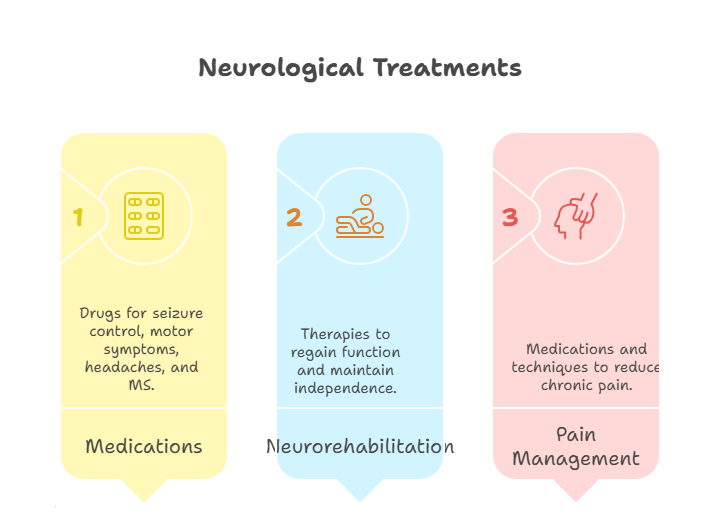
Relieve your neurological pain at Cherry Medical by Contacting Us today.
First, we focus on addressing the underlying cause (if possible). Common treatments include:
You should consult a neurologist if you experience persistent symptoms like severe headaches, memory loss, seizures, muscle weakness, numbness, balance issues, or vision problems. Early consultation can improve diagnosis and treatment outcomes.
Many neurological disorders, such as MS or Parkinson’s, are currently incurable, but early diagnosis and proper management can control symptoms, slow progression, and significantly improve quality of life.
Regular check-ups, a healthy lifestyle including balanced diet, exercise, mental stimulation, and stress management, and early consultation with a neurologist if symptoms arise can help protect and maintain your nervous system health.
You can easily book an appointment with Dr. Alireza Bozorgi at Cherry Medical by:
To book an appointment and receive a consultation, please call us or fill out the form. We will contact you as soon as possible.