
Buttock pain can come from a variety of causes, ranging from musculoskeletal issues to nerve-related problems.
Buttock pain is a common complaint that can range from mild soreness to sharp, debilitating discomfort. Because the buttocks contain muscles, nerves, joints, and connective tissues, pain in this area can originate from several sources. Identifying the correct cause is essential for successful treatment. At Cherry Medical, we focus on personalized diagnosis and advanced therapies to help you find lasting relief. Before reading further about buttock pain, we recommend visiting our page on SI joint pain, one of the most common causes of pain in the lower back and buttocks.
For personalized treatment of all types of buttock pain, call Cherry Medical today at (714) 819-0000.
Buttock pain can have various causes. Below, we will explore each cause and its available treatments.
Nerve pain is associated with Low Back problems. Smaller nerves travel locally in the buttock area. These nerves, such as the cluneal nerves, can be injured or inflamed, causing various symptoms. As you see in the pictures above, the location of pain may be easily confused with a disk-related pain. So, pain from cluneal nerves is one reason the routine epidural injection may not work! These nerves may cause pain and numbness in the buttocks, but several of them can also cause discomfort in the private (genital) area. Other nerves may cause the pain in this area, as discussed here.
Nerve Pain Treatments for the Buttock:
The piriformis muscle, a small muscle located in the buttock, can become tight or inflamed, putting pressure on the sciatic nerve. This condition causes buttock pain that may radiate down the leg, mimicking sciatica. Symptoms of piriformis syndrome include deep, aching pain in the buttock that worsens with sitting, climbing stairs, or running, and may extend into the leg.

Piriformis muscle
Treatments for Piriformis Syndrome:
Gluteal pain often results from overuse, overstretching, or trauma to the gluteal muscles, which are the muscles of the buttocks. Individuals may experience soreness or sharp pain in the buttock, particularly during activities such as walking, running, or moving the hip.
Treatments for Gluteal Strain or Muscle Injury:
Ischial bursitis is caused by inflammation of the ischial bursa, a small fluid-filled sac located near the sit bones (ischial tuberosity). This condition often results from prolonged sitting, repetitive movements, or direct trauma. Individuals with ischial bursitis typically experience a dull, aching pain localized in the buttock, which is especially noticeable when sitting or transitioning from sitting to standing.
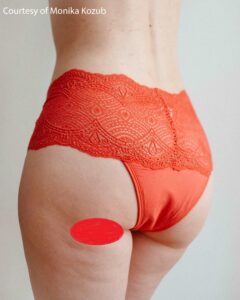
Ischial bursitis
Treatments for Ischial Bursitis:
Hamstring tendinopathy occurs due to overuse or strain of the hamstring tendons where they attach to the pelvis, often as a result of sports or repetitive activities. Individuals may experience deep, aching pain in the buttocks and upper thighs, which becomes more pronounced when sitting, running, or climbing stairs.

Hamstring Pain
Treatments for Hamstring Tendinopathy:

Tailbone pain
Coccydynia, or tailbone pain, occurs due to inflammation or injury to the coccyx, often resulting from
trauma such as falling on the buttocks or prolonged sitting. Individuals with coccydynia typically
experience pain at the very base of the spine, which may radiate to the buttock, and is especially
noticeable when sitting.
Treatments for Coccydynia (Tailbone Pain):
Pain in the buttocks can sometimes originate from spinal conditions such as herniated discs, degenerative disc disease, or other spine issues. This type of pain often radiates from the lower back into the buttock and can mimic local buttock problems, making accurate diagnosis essential for effective treatment. Patients may experience aching, numbness, or tingling in the buttocks and sometimes down the leg.
Treatment Options for Spinal-Related Buttock Pain:
You should see a doctor for buttock pain if it persists, worsens, or interferes with daily activities such as sitting, walking, or exercising. Additionally, seek medical attention if you experience numbness, tingling, weakness in the legs, or pain that radiates down the leg. Early evaluation and treatment can help identify the underlying cause and prevent long-term complications. At Cherry Medical, our specialists provide comprehensive evaluation with advanced imaging, physical assessment, and minimally invasive treatments to target the root cause of your buttock pain.

Discover how Cherry Medical’s advanced treatments can relieve your buttock pain and get you back to living comfortably:
| Treatment Option | Description | Benefits |
|---|---|---|
| Ultrasound-Guided Injections | Precise injections of corticosteroids or anesthetics into affected muscles or nerves using ultrasound guidance. | Reduces inflammation, targets the exact source of pain, minimal risk, no X-ray exposure. |
| Personalized Physical Therapy | Tailored exercises for stretching, strengthening, and improving flexibility of gluteal, hamstring, and piriformis muscles. | Relieves pain, improves mobility, prevents recurrence, strengthens weak muscles. |
| Medications | NSAIDs or nerve medications prescribed to reduce pain and inflammation. | Quick pain relief, reduces swelling, can improve function. |
| Platelet-Rich Plasma (PRP) Therapy | Injections of PRP to promote tendon healing in chronic cases, especially for hamstring or gluteal tendons. | Accelerates tissue repair, reduces chronic pain, minimally invasive. |
| Manual Therapy | Hands-on manipulation of the coccyx or affected muscles to improve alignment and mobility. | Improves posture, relieves pressure, enhances recovery from tailbone or muscle pain. |
| Activity Modification & Education | Guidance on avoiding aggravating activities, proper sitting techniques, and ergonomic advice. | Prevents flare-ups, promotes long-term pain management, enhances daily comfort. |
Cherry Medical provides a full range of specialized Services for all types of nerve-related pain.
The following FAQs can help you find the most effective treatments for different types of buttock pain. For more information and personalized consultation, Contact Us at Cherry Medical.
Finding the source of the buttock area pain can be a daunting task for most pain doctors. There are many structures close to each other that can become painful. Usually, the diagnosis depends on a complete and full neurology examination. Sometimes we use test injections. We pick up a suspicious structure for your pain and inject numbing medication into it. This numbing medication will stay for 2 to 3 days there. If the pain disappears for these 2 or 3 days, it means that structure is the cause of your pain and then we can make pain go away.
Applying heat or ice, using a cushion when sitting, gentle stretching, and over-the-counter pain relievers can help alleviate discomfort. If pain persists, consult a healthcare provider.
Prolonged sitting can increase pressure on the buttocks and lower back, potentially leading to pain or discomfort. Regular movement and proper posture are recommended.
Yes, conditions like herniated discs or degenerative disc disease can cause pain that radiates to the buttocks. A healthcare provider can assess and recommend appropriate treatment.
Yes, targeted exercises like gluteal stretches, pelvic tilts, and hamstring stretches can help alleviate buttock pain. Consult a physical therapist for personalized recommendations.
While many causes of buttock pain are benign, persistent or severe pain should be evaluated by a healthcare professional to rule out serious conditions.
Diagnosis may involve a physical examination, medical history review, and imaging tests like X-rays or MRIs to identify the underlying cause.
You can easily book an appointment with Dr. Alireza Bozorgi at Cherry Medical by:
To book an appointment and receive a consultation, please call us or fill out the form. We will contact you as soon as possible.