
You might experience a challenging situation. What should be the most energetic moment of your day, waking up, turns into a miserable battle before you even start your day. This situation is more common than you would think. Studies indicate that millions of people worldwide wake up with headaches. While some chalk it up to “just a bad night’s sleep,” the reason can be much more than that. From unknown sleep disorders to ill-defined subtle neurological problems, there can be a variety of reasons you wake up with headaches. In this blog, we will take a deep dive into why you may wake up with a headache, how a neurologist can know when it is more serious, and what your doctor can do to help you get long-lasting relief.
Waking up with headaches regularly? Book an appointment with our neurologists at Cherry Medical to find the cause and relief:(714) 819-0000.
Common Causes of Morning Headaches
Headaches due to waking can be triggered by many factors, including behavioral and neurological causes. Common reasons are:
- Sleep issues like sleep apnea or insomnia
- Teeth grinding or jaw clenching
- Poor sleep position or neck strain
- Stress and anxiety
- Stopping alcohol or caffeine
- Neurological issues such as migraines or cluster headaches
- Medication overuse
- Dehydration and Lifestyle Habits
- Hormonal and Neurological issues
Morning Headache versus Headache during Other Wake Periods
Not all waking headaches are identical. When and where a headache appears can be an important diagnostic clue to neurologists. While morning headaches and following a daytime nap have the same sensation, they are often not caused by the same reasons.
| Feature | Morning headache | Other times, headache-like after a nap |
| Timing | Within 30 to 60 minutes after waking in the morning | After naps or sudden waking during the day |
| Common reasons | Sleep apnea, bruxism, migraine, medication overuse, and hormonal changes | Poor posture during naps, dehydration, tension headache, and sleep inertia |
| Symptoms | Snoring, daytime fatigue, jaw ache, morning sluggishness, nausea (if migraine) | Neck tightness, mild lightheadedness, drowsiness, dry mouth |
| Type of Headache | Dull, pressure-like, or pulsating | Tension-type or mild, short-lasting headache |
| Relief Measures | CPAP (in case of apnea), water intake, caffeine, migraine medication, dental night guard (for bruxism) | Sipping water, stretching, righting posture, brief walk |
| When to see a doctor | If daily, severe, or accompanied by vision/speech issues, numbness, or worsening over time | If headaches persist after each nap or are unusually severe |
Which Types of Headaches Are More Common on Waking?
Morning headaches are more than a little common, and their character typically provides a hint at their etiology. Moreover, sleep apnea headaches commonly happen due to a lack of oxygen or poor sleep quality.
These headaches are pressure-like, more in the morning, and relieved by a change in position or stretching. Here are the most common headaches upon waking:
- Tension-Type Headaches
- Migraines
- Cluster Headaches
- Headaches Related to Sleep Disorders
- Rebound Headaches

What Are the Serious Symptoms of a Headache upon Waking?
While most morning headaches are not dangerous, some may indicate a more significant medical problem and should be taken seriously.
Headache Associated with New Visual Changes
Visual changes such as blurry vision, double vision, or sudden complete vision loss can be a sign of increased pressure in the skull, a problem with the optic nerve, or a vascular event such as a stroke or an aneurysm.
Horrific or Worst Headache Ever Upon Awakening
This is different from the rare common headaches and migraines. The pain comes on very quickly, in seconds to minutes, and feels debilitating. Headaches like this may indicate the presence of serious conditions, including:
- Stroke or vascular troubles in the brain
- Brain infection or inflammation
- Sudden increase in intracranial pressure
Because these circumstances could take lives, tangential evaluation in the emergency room is imperative. You will not want to determine if the pain will just go away on its own, but early diagnosis and treatment to save lives.
Headache That Has Gradually Increased Over Several Weeks
If the headache that you experience has gradually, moderately increased in either frequency or intensity over a period of time, it could be a sign of increasing pressure inside the brain, a tumor, or a chronic neurologic process that will require medical attention.
Headache With an Altered Cognition, Such as Loss of Memory or Confusion
If you have an altered cognition (memory loss, inability to speak, confusion, etc.) with headaches simultaneously, it too could be a sign of emergency medical problems such as a stroke, transient ischemic attacks (TIA), or dementia.
Other Types of Serious Headache
Besides the mentioned types of headaches, there are some pains with red flag:
- Headache with weakness, numbness, or loss of balance
- Headache with ongoing nausea and vomiting
- Morning headache with fever, stiff neck, or rash (possible meningitis or infection)
- A headache that occurs and wakes you from sleep at night
Avoiding Headaches on Wake Up
When it comes to headaches that happen on waking, prevention is better than treatment. Generally, in treating morning headaches, prevention will always win over cure. You only need to follow these steps:
- Avoid excess caffeine intake in the afternoon and evening
- Maintain a headache diary to identify headache triggers
- Consider a regular sleep time
- Sleep in good condition and environment
- Drink enough water daily
- Keep calm and reduce your stressful conditions
- Don’t eat heavy meals before sleeping
- Don’t drink alcoholic beverages in evening
- Boost your sleeping posture

Treatments for Headache upon Waking
Headaches that occur on waking may have any of a wide variety of causes, from simple dehydration to severe neurological diseases. Therefore, treatment is never the same.
Treatment depends on the identification of the root cause by a proper medical history, lifestyle, and sometimes special investigations like sleep studies or brain scans.
Neurologists frequently discover that in the majority of cases, lifestyle modifications, such as sleep hygiene and adequate hydration, are combined with medical treatments according to the kind of headache. We will explain more about the different available treatments.
Dental and TMJ Solutions
If headaches are due to bruxism (and related nighttime teeth grinding) or the temporomandibular joint (TMJ), dental treatment can be extremely useful.
Medication Overuse Reduction
In an ironic twist, frequent use of pain medicine can cause rebound headaches, exacerbating symptoms in the long term. Neurologists oppose this with education and a headache diary.
The patient becomes aware of the triggers and takes medication better. Breaking the overuse cycle is hard, but it needs to be done to achieve lasting relief from headaches.
Changes in Sleep Hygiene and Lifestyle
In the majority of patients, making minor changes in the living pattern reduces morning headaches by a huge percentage.
Sleep Apnea Treatments
Sleep apnea is a major hidden culprit for morning headaches. Treating it restores oxygen flow and prevents pain caused by pressure.
Other Treatments
Most patients with migraines can effectively prevent or reduce morning headache severity with proper treatment, like:
- Botox injections for chronic migraines (15+ headache days per month).
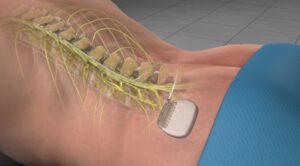
- Neuromodulation devices that stimulate nerves to reduce migraine frequency.
When Is It Necessary to See a Neurologist?
If over-the-counter painkillers don’t cut through the pain, it could mean that the person is experiencing a migraine, cluster headaches, or secondary headaches that need specialist treatment.
Vision problems, dizziness, numbness, weakness, confusion, or memory loss that go along with headaches could indicate some serious problems in the nervous system or blood circulation. A prompt checkup is a must.
If your morning headaches are frequent or severe, don’t ignore them. Schedule a consultation today: Contact info
How Can a Neurologist Diagnose a Serious Headache upon Waking?
Physically checking patients out and running a series of diagnostic tests. When a neurologist is trying to figure out a morning headache, they take a holistic approach by looking back at the person’s history.
A neurologist will also take a complete medical history, such as medications. This doctor will test different conditions of patients. For example, metabolic or endocrine disorders are examined by blood tests.

Conclusion
Headaches upon waking, whether they happen in the morning or from any length of sleep, can be caused by numerous causes, from simple hydration or dehydration issues, to more complicated neurological to sleep-related problems.
You can avoid headache upon waking with prevention points. In case of serious conditions, visiting an expert is highly recommended.
FAQ
Is inheritance a factor in morning headaches?
Some forms of headaches, such as migraines, are genetically predisposed. If your family members have migraines, you are likely to wake up with headaches.
Are headaches after a nap usual?
Recurrent or severe post-nap headaches require evaluation.
Can ignoring breakfast cause morning headaches?
Low blood sugar may cause morning headaches, and having a good breakfast fixes this problem.
How can I book an appointment at Cherry Medical for Morning Headache?
You can easily book an appointment with Dr. Alireza Bozorgi at Cherry Medical by:
- Calling us: (714) 819-0000
- Online booking:
- visit our website, “www.cherrymedical.org“ and fill out the appointment request form
- book online in the scheduling website at “http://www.patientfusion.com/doctor/alireza-bozorgi-30060“
- send us an email at “ask@cherrymedical.org“