
Knee Pain is complex and prone to damage from overuse, trauma, or age-related wear and tear. Knee pain can involve any of the bones, cartilage, muscles, tendons, or ligaments, such as the ACL. This ACL tear kept Tom Brady out for the entire 2008 season. Another structure is misniscus, which is a smooth and slimy shock absorber inside the joint. Meniscus damage ended Roger Federer’s professional tennis career. There are cushions running through different layers of the knee structures, known as the bursa. It reduces friction between tissues. When it is inflamed, it hurts. A person can have an Iliotibial band syndrome. A sac of water behind your knee, known as a Baker’s cyst, may become swollen and painful. Specialists at Cherry Medical identify the underlying cause of each patient’s knee pain and provide a personalized treatment plan tailored to their specific needs.
Don’t let Knee Pain slow you down — call Cherry Medical today at (714) 819-0000 for fast, expert care and start moving pain-free again!
The specific symptoms depend on the underlying cause, but common signs include:
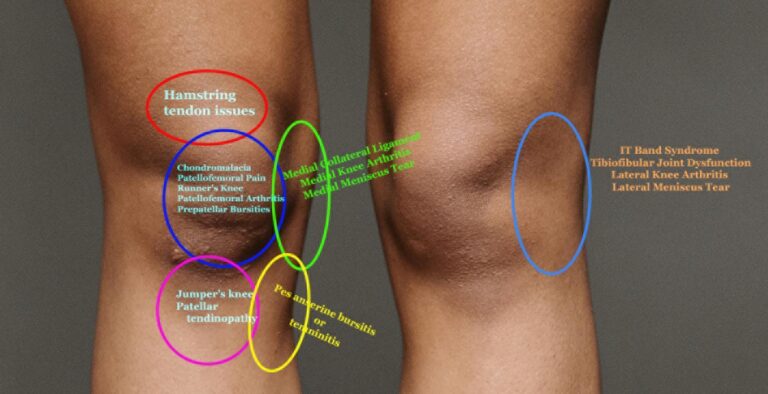
Knee pain can affect any part of the joint, including the bones, cartilage, muscles, tendons, and ligaments. Some of the most common causes of knee pain and their prevention methods are as follows:
| Cause of Knee Pain | Details | Prevention |
|---|---|---|
| ACL Tear | A common ligament injury in athletes causing knee instability and severe pain. ACL injuries often occur during sudden stops, pivots, or high-impact sports. | Strengthen leg muscles, proper warm-up before exercise, and maintain correct technique during sports. |
| Meniscus Injury | Damage to the shock-absorbing cartilage inside the knee that limits movement and causes pain, often due to twisting or sudden impact. | Strengthen surrounding muscles, avoid extreme knee twisting, and wear supportive footwear. |
| Bursitis | Inflammation of small fluid-filled cushions (bursae) that reduce friction between tissues; causes pain, swelling, and stiffness. | Avoid prolonged pressure on the knees, use knee pads during heavy activity, and perform gentle stretching. |
| Iliotibial Band Syndrome (ITBS) | Inflammation of the long muscle band on the outer side of the knee, commonly causing pain during running or cycling. | Gradually increase exercise intensity, perform stretching and strengthening exercises, and wear proper shoes. |
| Baker’s Cyst | A fluid-filled sac behind the knee that can swell and cause discomfort or pain; often linked to underlying arthritis or injury. | Manage knee inflammation, maintain regular low-impact exercise, and strengthen surrounding muscles. |
| Osteoarthritis | Gradual cartilage wear in the knee joint leading to pain, stiffness, limited motion, and sometimes swelling. | Maintain a healthy weight, strengthen leg muscles, and engage in low-impact exercises like swimming or cycling. |
| Overuse Injuries | Repetitive stress from sports, running, or heavy physical activity causing pain, swelling, or inflammation. | Adjust exercise intensity and duration, rest adequately between sessions, and include stretching and strengthening exercises. |
| Trauma / Injury | Fractures, dislocations, or sprains that directly damage knee structures. | Use protective gear in sports, practice proper safety techniques, and prevent falls or accidents. |
Accurate diagnosis of knee pain is essential to identify the underlying cause and develop an effective treatment plan. At Cherry Medical, doctors typically use a combination of medical history, physical examination, and imaging tests to determine the problem.
Your doctor will ask about when the knee pain began and how it has progressed over time. They will also inquire about any recent injuries or trauma, as well as your daily activities and participation in sports. Additionally, information about previous knee problems or surgeries helps the doctor understand your medical history and identify potential causes of your current pain.
During a physical examination, the doctor will evaluate the range of motion of your knee and look for signs of swelling, redness, or warmth. They will also assess the stability of the ligaments and tendons and palpate the knee to identify any tender or sensitive areas. This comprehensive evaluation helps determine the possible causes of your knee pain.
Depending on your symptoms, the doctor may recommend imaging tests to get a clearer view of the knee structures. X-rays can help detect fractures, arthritis, or other bone abnormalities. MRI (Magnetic Resonance Imaging) is used to evaluate ligaments, the meniscus, cartilage, and other soft tissues. Ultrasound may be performed to detect bursitis, cysts, or tendon inflammation, providing additional information to guide diagnosis and treatment.
In some cases, lab tests or joint fluid analysis may be performed to help identify infections or to check for inflammatory conditions such as rheumatoid arthritis. These tests provide important information that assists doctors in determining the underlying cause of knee pain and guiding the most effective treatment plan.
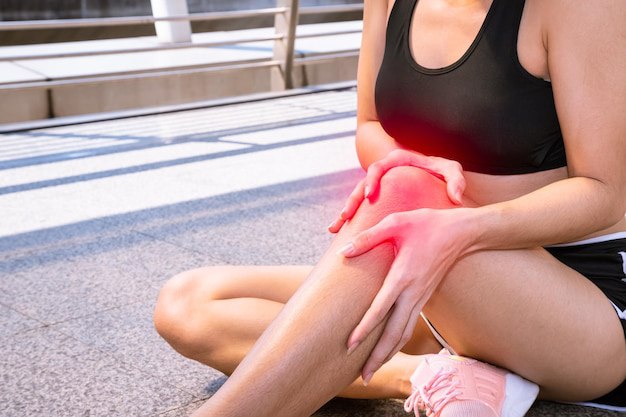
Knee pain in ladies is a common issue that can significantly impact daily life, work, and physical activity. Women are more prone to certain knee problems due to differences in anatomy, hormones, and activity patterns. Conditions such as osteoarthritis, patellofemoral pain syndrome, ligament injuries, and bursitis are often seen more frequently in women, especially after pregnancy, menopause, or high-impact exercise. Early recognition and proper management, including physical therapy, lifestyle adjustments, and targeted treatments, can help reduce pain, improve mobility, and maintain an active lifestyle. At Cherry Medical, we provide personalized care specifically tailored to address the unique needs of women with knee pain.
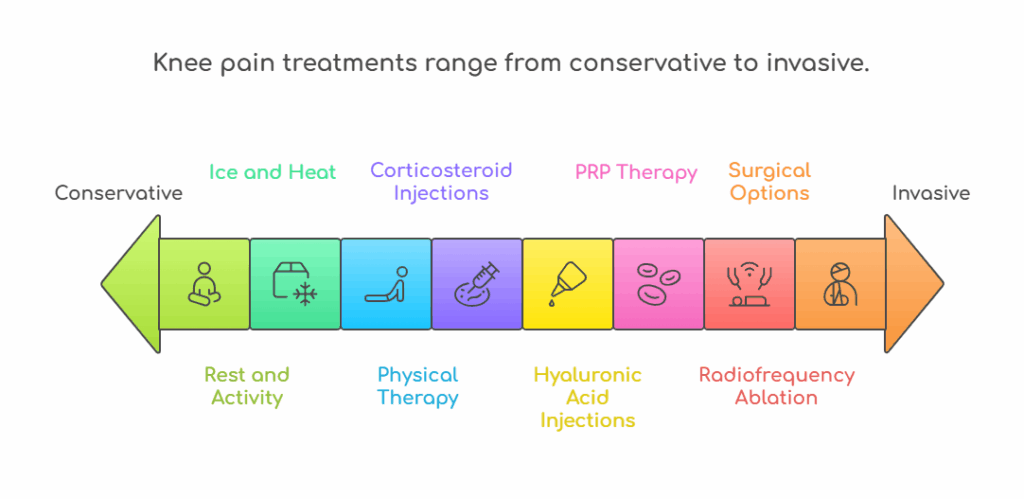
Treatment for knee pain depends on the underlying cause, the severity of the pain, and the individual needs of the patient. Our specialists at Cherry Medical typically recommend starting with non-surgical treatments and considering surgery only if necessary. Common options include the following:
Avoid activities that worsen pain, especially high-impact sports or prolonged standing. Low-impact exercises such as swimming or cycling can help maintain mobility without putting excessive stress on the knee.
Ice can reduce swelling and pain, while heat can relax stiff muscles.
Strengthening and stretching exercises improve knee stability, flexibility, and overall function. Proper footwear is also important to reduce stress on the joint.
For chronic inflammatory conditions, such as arthritis, injections of corticosteroids can provide temporary relief.
help lubricate the knee joint in cases of osteoarthritis.
Injection of the patient’s own concentrated blood (Platelet-Rich Plasma (PRP)) or stem cells into the knee joint to promote healing and reduce inflammation in certain conditions.
In some cases, for individuals who are unable or unwilling to undergo surgery, we attempt to temporarily inactivate the pain nerves. You will not notice any strange sensation afterwards. It does not interfere with the normal sensation of pain. Let’s say you sustain a fracture after this procedure. You will feel the new pain of the fracture. RFA is to take care of longstanding pain. It does not mess with the new sensation of pain.
If non-surgical treatments fail, procedures such as arthroscopy, ligament reconstruction, or partial/total knee replacement may be considered depending on the type and severity of the knee problem.
Get back to your daily activities with a personalized knee pain treatment plan and other Services at Cherry Medical—safe, effective, and tailored for you.
Choosing the right medication depends on the cause and severity of the pain. For mild to moderate knee discomfort, over-the-counter NSAIDs like ibuprofen or naproxen can help reduce inflammation and relieve pain. For more severe or chronic conditions, doctors may recommend prescription-strength anti-inflammatory medications, topical pain-relief creams, or combination therapies. It’s important to use painkillers under medical guidance to avoid side effects and ensure effective relief. Alongside medication, combining physical therapy, lifestyle changes, and targeted treatments can provide long-term benefits and help restore mobility. At Cherry Medical, our specialists provide personalized recommendations to help you manage knee pain safely and effectively.
Knee pain exercises play a crucial role in reducing discomfort, improving mobility, and strengthening the muscles around the knee. Gentle stretching, low-impact activities like swimming or cycling, and targeted exercises for the quadriceps, hamstrings, and calves can help stabilize the joint and prevent further injury. Regular exercise not only relieves pain but also supports long-term knee health, improves flexibility, and enhances overall function. At Cherry Medical, our specialists design personalized knee exercise programs tailored to your condition and fitness level, ensuring safe and effective results.
By reading the frequently asked questions below, you can learn everything you need to know about knee pain and its treatment. For more information, appointment booking, or expert consultation, Contact Us at Cherry Medical.
We always use ultrasound to look into the knee joint. With this, we can look into your joint and guide the needle very accurately.
To get rid of knee pain fast, try rest, ice, compression, and elevation (R.I.C.E.), over-the-counter NSAIDs like ibuprofen, and gentle knee stretches or low-impact exercises. If pain persists, consult a doctor.
Knee pain in females is often caused by hormonal changes, anatomical differences, ligament injuries, overuse, and conditions like osteoarthritis or patellofemoral pain syndrome.
You can treat knee pain at home with rest, ice packs, compression, elevation (R.I.C.E.), gentle stretching, low-impact exercises, and over-the-counter pain relievers.
Yes, physical therapy can strengthen muscles around the knee and improve mobility, reducing pain.
Yes, as people age, the risk of developing knee pain increases due to factors like cartilage wear and decreased muscle strength.
Excess body weight can put additional stress on the knee joints, leading to increased pain and potential damage.
Knee pain can be a symptom of arthritis, particularly osteoarthritis, which is common among older adults.
If you experience persistent pain, swelling, or difficulty moving your knee, it’s advisable to consult a healthcare professional.
To book an appointment and receive a consultation, please call us or fill out the form. We will contact you as soon as possible.