
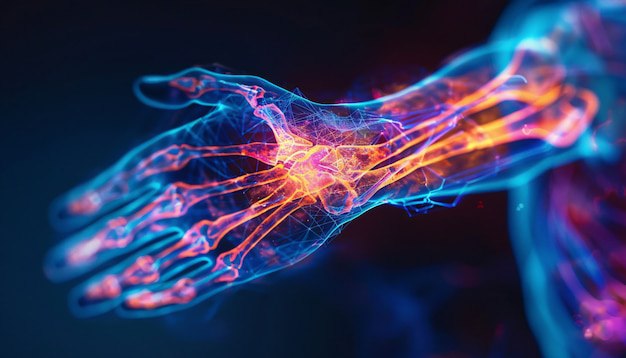
Neuropathy, also known as peripheral neuropathy, refers to damage to the peripheral nervous system, which consists of the nerves outside the brain and spinal cord. These nerves play a crucial role in transmitting signals between the central nervous system and the rest of the body, controlling functions like muscle movement, sensation, and autonomic processes. Think of them as wires all over your body, transmitting electricity from your toes to your brain and from your brain to your fingers.
At Cherry Medical, we specialize in diagnosing and treating all types of neuropathy. Since neuropathy can affect various types of nerves, it can lead to a wide range of symptoms depending on which nerves are damaged. Our expert team is dedicated to helping patients understand their condition and receive personalized treatment plans to manage their symptoms effectively.
For effective neuropathy pain treatment and to improve your quality of life, call Cherry Medical today at (714) 819-0000
Types of Neuropathy
Neuropathy can be classified based on the type of nerve affected:
Causes of Neuropathy
Neuropathy can arise from various causes, with diabetes being the most common. Diabetic Neuropathy occurs when prolonged high blood sugar levels cause nerve damage, affecting the extremities and sometimes other parts of the body. If left untreated, it can progress to more severe problems like foot ulcers, infections, or even amputation due to poor wound healing. As diabetes injures the nerves to the stomach, its emptying may become slow, and the person feels fullness in their stomach.
Other causes include:
Symptoms of Neuropathy
Apart from a comprehensive assessment of medical history, symptoms, and physical examination, your doctor may use several other diagnostic tools, including:
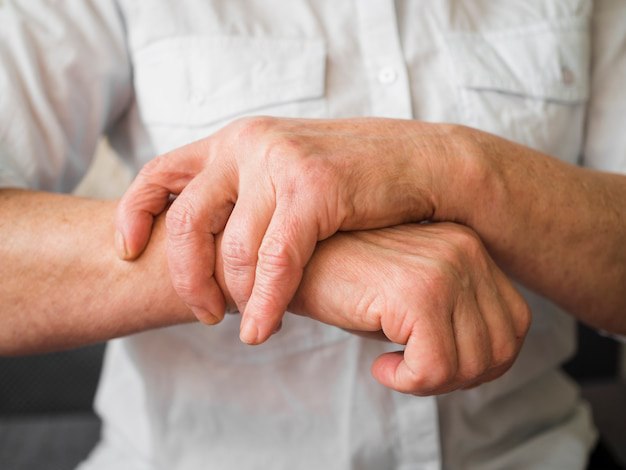
Treating neuropathy focuses on managing the underlying cause, relieving symptoms, and preventing further damage. Depending on the type and severity, treatment options may include:
| Treatment | Description | When It’s Used |
|---|---|---|
| Medications | Pain relievers, anticonvulsants (gabapentin, pregabalin), antidepressants (amitriptyline, duloxetine), topical creams (lidocaine, capsaicin). | For nerve pain, burning sensations, tingling, or diabetic neuropathy. |
| Physical Therapy & Exercise | Targeted exercises to improve strength, balance, flexibility, and circulation. Supports nerve and muscle health. | For weakness, motor neuropathy, or coordination problems. |
| TENS Therapy | Transcutaneous electrical nerve stimulation reduces pain signals via mild electrical currents. | For chronic neuropathic pain resistant to medications. |
| Spinal Cord Stimulation | Implanted device sends electrical pulses to the spinal cord to relieve severe pain. | For severe neuropathy unresponsive to conventional treatments. |
| Ketamine Infusion Therapy | Controlled IV infusion to reduce severe, chronic neuropathic pain. | For treatment-resistant neuropathy and intense burning sensations. |
| Lifestyle & Self-Care | Healthy diet, vitamin supplements (B12, folate), blood sugar control, foot care, avoiding alcohol/smoking. | Preventive and supportive care for all types of neuropathy. |
| Assistive Devices | Canes, walkers, braces to improve mobility and prevent falls. | For motor neuropathy or balance problems. |
| Emerging Therapies | Stem cell therapy, PRP (platelet-rich plasma), gene therapy, biologics for nerve regeneration. | Advanced cases or patients enrolled in clinical trials. |
Experience lasting relief from chronic nerve pain with a Spinal Cord Stimulator Trial at Cherry Medical
At Cherry Medical, we specialize in diagnosing and treating all forms of neuropathy. Our expert team combines advanced therapies, pain management techniques, and personalized care to help patients regain their quality of life. Whether you are dealing with diabetic neuropathy, nerve pain from injury, or chronic burning sensations in your hands and feet, under the guidance of Dr. Alireza Bozorgi, we provide customized treatment plans tailored to your specific condition.
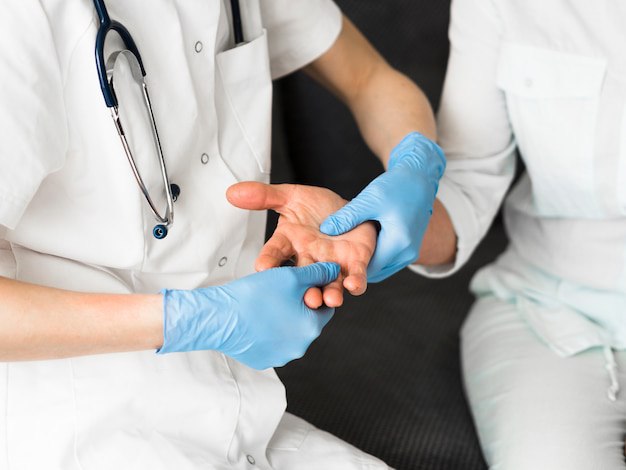
Some people will have chronic symptoms. It is as if a person has high blood pressure. You live with it, and most of the time, you should be able to manage it with caution and minimal hassle. Living with neuropathy requires a combination of medical care and lifestyle adjustments. Pain Management is often a key focus, and many people find relief through a combination of medications, physical therapy, and complementary therapies like acupuncture. Individuals with sensory neuropathy must take extra precautions to protect their hands and feet from injury, as they may not feel cuts, burns, or other types of damage.
In cases of motor neuropathy, assistive devices such as braces, canes, or walkers can help improve mobility and prevent falls. Maintaining an open line of communication with healthcare providers is crucial to managing symptoms and adjusting treatments as needed.
Experience expert Pain Management in Santa Ana at Cherry Medical
Ongoing research is focused on developing new treatments for neuropathy, including regenerative therapies like stem cell therapy and platelet-rich plasma (PRP), which aim to repair and regenerate damaged nerve tissue. Gene therapy and biologics are also being explored as potential treatments. While there is no cure for many forms of neuropathy, these emerging therapies offer hope for more effective and targeted treatments in the future. Managing neuropathy is an ongoing process, but with appropriate care and treatment, many patients can significantly reduce their symptoms and maintain a good quality of life.
Frequently asked questions about neuropathy pain can help you better understand your condition and choose the most effective treatment. For specialized consultation and more information on all types of neurological pain, Contact Us at Cherry Medical.
First, we focus on addressing the underlying cause (if possible). Common treatments include:
While there’s no universal cure, treatments like medications, physical therapy, and lifestyle changes can manage symptoms and slow progression.
Some forms, like Charcot-Marie-Tooth disease, are genetic, but many cases are due to environmental factors or other medical conditions.
Neuropathy caused by temporary factors may improve once the underlying cause is addressed; however, many cases are chronic and require ongoing management.
Yes, unmanaged type 2 diabetes is the most common cause of peripheral neuropathy, leading to nerve damage due to prolonged high blood sugar levels.
Preventive measures include managing blood sugar levels, avoiding excessive alcohol consumption, maintaining a healthy diet, and protecting against injuries.
You can easily book an appointment with Dr. Alireza Bozorgi at Cherry Medical by:
To book an appointment and receive a consultation, please call us or fill out the form. We will contact you as soon as possible.