
Pelvic Pain during pregnancy or after childbirth can feel overwhelming — affecting mobility, sleep, and even day-to-day confidence. But what many women don’t realize is that this pain often has a strong neurological component. Changes in posture, shifting joints, hormonal softening of ligaments, and pressure on key nerves like the sciatic and pudendal nerves can all trigger persistent discomfort.
At Cherry Medical, our neurologists and women’s health experts take a science-driven approach to uncover why pelvic pain happens and how to treat it effectively. With advanced diagnostics, personalized care, and evidence-based therapies, we help women move beyond temporary fixes and achieve real, lasting relief. This comprehensive guide breaks down the neurological causes of pelvic pain and shares the most effective, expert-backed strategies to support a comfortable pregnancy and postpartum recovery.
Relieve your pregnancy or postpartum Pelvic Pain fast: call Cherry Medical at (714) 819-0000 today!
Pregnancy Pelvic Pain
Pelvic pain during pregnancy often manifests as persistent or intermittent discomfort in multiple areas, including the lower abdomen, pubic symphysis, hip joints, sacroiliac region, groin, and even the upper thighs. For many expectant mothers, these symptoms typically begin in the second trimester, as hormonal fluctuations, particularly elevated relaxin levels, and postural adaptations place increased stress on the pelvic girdle. The growing uterus shifts the center of gravity forward, alters spinal alignment, and challenges muscular balance, which can exacerbate strain on ligaments, joints, and nerves.
Some women describe sharp, stabbing sensations during movement, while others feel dull, aching pressure when standing, walking, or climbing stairs. Early awareness and proper management can significantly improve comfort, maintain mobility, and prevent long-term pelvic instability.
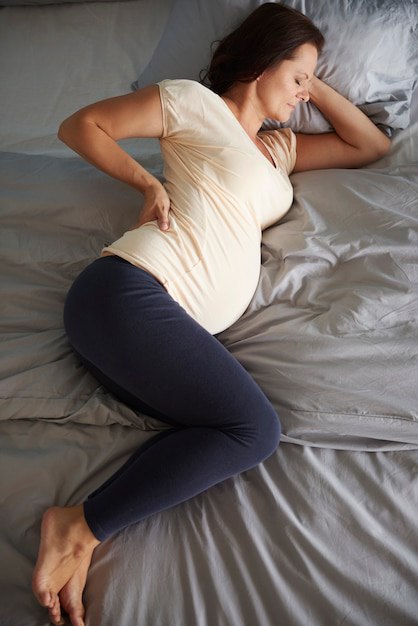
Causes of Pelvic Pain During the Second Trimester of Pregnancy
- Hormonal Relaxin Surge
The hormone Relaxin increases ligament laxity to prepare the pelvis for childbirth. However, excessive ligament loosening destabilizes the pelvic girdle and increases pressure on joints and peripheral nerves.
- Increased Mechanical Load
As the fetus grows, the uterus places more strain on the pelvic floor muscles, sacroiliac joint, and lumbosacral nerves—often triggering pain and inflammation.
- Postural and Gait Alterations
During pregnancy, the forward shift of the body’s center of gravity can strain the lumbar spine, SI joints, and muscles, sometimes triggering neuropathic pain when combined with fatigue or overuse.
- Sciatic Nerve Compression
Compression or irritation of the sciatic nerve can lead to radiating pain from the pelvis down to the leg, commonly known as pregnancy-related sciatica.
Discover effective relief strategies in our Buttock Pain During Pregnancy Relief guide and start feeling better immediately!
Pelvic Pain after Pregnancy C-Section
While many women expect pelvic pain to disappear immediately after childbirth, postpartum pelvic instability can persist for several months. At Cherry Medical, we recognize that this discomfort often stems from multiple factors, including pelvic floor weakness, nerve irritation caused by delivery, tension from C-section scars, persistent sacroiliac (SI) joint dysfunction, and muscle imbalances resulting from newborn care activities such as lifting, carrying, and breastfeeding. Our team of neurologists and women’s health specialists carefully evaluates neurological deficits, nerve compression patterns, and muscular imbalances to design a personalized, evidence-based treatment plan. Through targeted pelvic floor exercises, physical therapy, posture correction, and scar tissue management, we help mothers regain comfort, mobility, and confidence in their daily lives.
Neurologist Tips to Relieve Pelvic Pain During and After Pregnancy
At Cherry Medical, our neurologists focus on several key strategies to effectively relieve pelvic pain during and after pregnancy:
| Strategies to Relieve Pregnancy Pelvic Pain | Descriptions | Benefits |
|---|---|---|
| Pelvic Floor Exercises (Kegel) | Targeted exercises to strengthen pelvic floor muscles and improve coordination with core muscles. | Reduces pelvic instability, alleviates lower back and hip pain, prevents long-term complications. |
| Targeted Stretching | Stretches for piriformis, hip flexors, and inner thigh muscles to relieve tension. | Reduces sciatic nerve irritation, improves flexibility, decreases radiating pain in lower back, hips, and thighs. |
| Supportive Belts & Braces | Pelvic or maternity support belts that stabilize SI joints and lower back. | Provides immediate support, reduces strain during walking, standing, or lifting, improves posture. |
| Posture & Ergonomics | Guidance on correct posture during daily activities, lifting, and breastfeeding. | Prevents aggravation of nerves and muscles, reduces pressure on sacroiliac joints, promotes spinal alignment. |
| Physical Therapy | Professional evaluation and treatment including manual therapy, pelvic mobilization, and strengthening programs. | Improves joint function, releases tension, corrects muscular imbalances, enhances recovery. |
| Heat & Cold Therapy | Use of warm compresses or cold packs to manage muscle pain and inflammation. | Reduces muscle spasm, eases discomfort, promotes circulation in pelvic region. |
| Scar Tissue Management | Specialized massage and mobilization techniques for C-section scars. | Reduces adhesions, decreases nerve irritation, restores tissue mobility. |
| Neuromodulation Techniques | Non-invasive therapies such as TENS or electrical stimulation for pelvic nerves. | Reduces chronic or neuropathic pain, improves muscle activation, supports long-term pain relief. |

When to See a Neurologist for Pregnancy Pelvic Pain
While mild pelvic discomfort is common during pregnancy and postpartum, certain warning signs indicate the need for a specialist evaluation at Cherry Medical. Women should seek consultation if they experience radiating pain to the legs, numbness, tingling, or loss of sensation, difficulty walking normally, severe postpartum pelvic pain lasting more than three months, suspected sacroiliac (SI) joint dysfunction, or signs of nerve entrapment. These symptoms may suggest nerve involvement, pelvic floor weakness, or biomechanical stress that requires professional attention. Early assessment by our neurologists and women’s health specialists can prevent chronic pain syndromes, long-term joint instability, and mobility limitations, ensuring a safer and more comfortable pregnancy and postpartum recovery.
FAQs about Pelvic Pain Relief During and After Pregnancy: Expert Neurologist Tips
The following frequently asked questions can help you better understand pelvic pain during and after pregnancy. For personalized advice and expert Neurologist Tips and guidance on pregnancy pelvic pain, Contact Us at Cherry Medical.
Can I barely walk due to pelvic pain during pregnancy?
Yes, severe pelvic pain can make walking difficult. Causes include pelvic girdle instability, SI joint stress, or nerve irritation. Evaluation by Cherry Medical specialists can help restore mobility.
What causes pelvic pain during the third trimester of pregnancy?
Hormonal changes, weight gain, and a forward-shifted center of gravity strain the pelvis, often causing pelvic girdle pain or lower back discomfort.
What is pelvic girdle pain?
Pelvic girdle pain (PGP) is discomfort in the pubic symphysis, SI joints, hips, or lower back, often caused by pregnancy-related joint instability or muscle imbalance.
What are the fastest ways to find relief for pelvic girdle pain?
Immediate relief often comes from pelvic floor exercises, wearing a pelvic support belt, doing gentle stretching, and getting hands-on help from a physical therapist.
Is pelvic pain common after a C‑section?
A5: Yes — after C‑section, scar tissue, weak pelvic muscles, or nerve irritation can cause pelvic pain. Specialist care helps target the root causes.
How to help pelvic pain after birth?
Postpartum pelvic pain can result from weak muscles, nerve irritation, or scar tissue. Pelvic floor exercises, physical therapy, and posture correction are effective solutions.
Why do I have pelvic pain when walking postpartum?
Muscle weakness, SI joint issues, or nerve irritation can cause pain when walking. Targeted rehab and strengthening exercises help restore stability.
When should I see a neurologist for pelvic pain during or after pregnancy?
Consider a neurological evaluation if pain radiates to your legs, causes numbness or tingling, limits your walking, or persists long after delivery. Early assessment can prevent chronic pain and improve outcomes.
How can I book an appointment at Cherry Medical?
You can easily book an appointment with Dr. Alireza Bozorgi at Cherry Medical by:
- Calling us: (714) 819-0000
- Online booking:
- visit our website, “www.cherrymedical.org“ and fill out the appointment request form
- book online in the scheduling website at “http://www.patientfusion.com/doctor/alireza-bozorgi-30060“
- send us an email at “ask@cherrymedical.org“