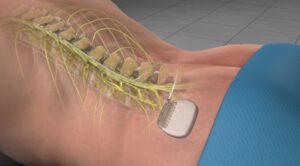

Stellate Ganglion Block (SGB) is a well-established interventional procedure in modern pain management, widely used to modulate sympathetic nervous system activity. This technique plays a critical role in the treatment of neuropathic pain, complex regional pain syndrome (CRPS), post-traumatic stress disorder (PTSD), and selected vascular and autonomic disorders. By targeting the stellate ganglion in the cervical region, SGB can effectively reduce abnormal pain signaling and restore autonomic balance.
Understanding the clinical signs of a successful Stellate Ganglion Block is essential for ensuring procedural accuracy, therapeutic effectiveness, and optimal patient outcomes. In this article, we explore the key physiological and neurological indicators of a successful SGB, supported by clinical evidence and real-world insights tailored for neurologists, pain management specialists, and informed patients, in alignment with the evidence-based and patient-centered approach practiced at Cherry Medical.
Get a safe and guaranteed Stellate Ganglion Block at Cherry Medical. Contact us now at (714) 819-0000.

Stellate Ganglion Block Indications
Familiarity with the main indications for Stellate Ganglion Block (SGB) is important for both patients and clinicians. The table below provides a concise overview of the key conditions where SGB can effectively reduce pain, improve circulation, and support both physical and mental well-being.
| Indication | Description |
|---|---|
| Neuropathic Pain | Chronic nerve-related pain in the neck, arm, or upper chest. Helps reduce abnormal nerve signaling and improve quality of life. |
| Complex Regional Pain Syndrome (CRPS) | Reduces severe, persistent pain and improves limb function. Supports better mobility and daily activity. |
| Post-Traumatic Stress Disorder (PTSD) | Decreases hyperarousal, anxiety, and stress-related symptoms by modulating the sympathetic nervous system. |
| Vascular Disorders | Improves blood flow in conditions like Raynaud’s phenomenon or poor circulation in the upper limbs. |
| Hyperhidrosis | Reduces excessive sweating, especially in the hands, face, or upper body. |
| Anxiety Disorders | Modulates the sympathetic system to lower stress, promote relaxation, and improve emotional balance. |
Top Signs Your Stellate Ganglion Block Worked
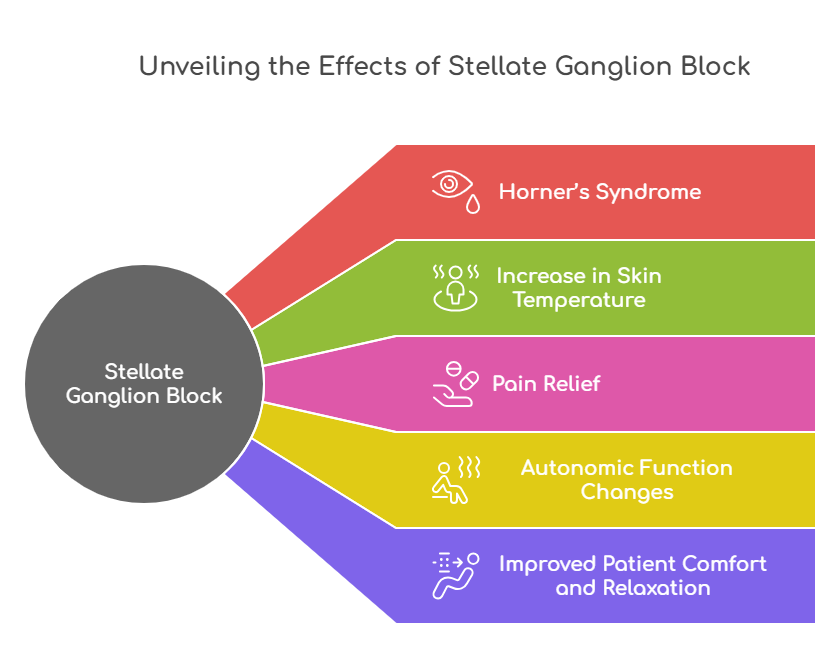
- Horner’s Syndrome
Mild drooping of the eyelid (ptosis), constriction of the pupil (miosis), and facial warmth or flushing on the treated side. These classic signs provide a reliable and immediate indication that the sympathetic nerves have been effectively blocked.
- Increase in Skin Temperature
A noticeable rise in the temperature of the upper limb on the side of the injection reflects improved blood flow and vascular relaxation. This objective physiological response confirms that the sympathetic nerve activity has been successfully inhibited.
- Pain Relief
Patients typically report a rapid reduction in pain intensity, with decreased burning, tingling, or hypersensitivity. Improved comfort and touch tolerance shortly after the procedure signal effective modulation of abnormal pain pathways.
- Autonomic Function Changes
Successful SGB often leads to measurable improvements in autonomic function, including reduced excessive sweating, enhanced circulation, and overall symptom relief. These changes indicate that the procedure has positively influenced the autonomic nervous system.
- Improved Patient Comfort and Relaxation
Beyond physical effects, patients often experience a sense of overall relaxation and well-being. This highlights the dual benefit of SGB, addressing both the physical discomfort of neuropathic pain and the psychological stress associated with chronic conditions.
The Importance of Identifying Successful SGB Signs
Recognizing the signs of a successful Stellate Ganglion Block (SGB) is crucial for both doctors and patients. For clinicians, these signs confirm that the sympathetic nerves have been effectively targeted and guide further treatment decisions. For patients, noticing changes like Horner’s syndrome, improved circulation, or reduced pain reassures them that the procedure is working. At Cherry Medical, careful monitoring of these signs ensures that patients receive effective, personalized, and timely pain management, especially in complex conditions such as CRPS, neuropathic pain, or PTSD.
Stellate Ganglion Block for Anxiety
Stellate Ganglion Block (SGB) is an interventional procedure traditionally used for neuropathic pain, CRPS, and autonomic disorders. Recent studies have shown promising results for using SGB in anxiety disorders and post-traumatic stress disorder (PTSD). By temporarily blocking the sympathetic nerves in the neck, SGB can reduce excessive “fight-or-flight” responses, decrease hyperarousal, and promote a sense of calm and emotional balance.
Clinical Evidence of SGB and Best Practices at Cherry Medical
Stellate Ganglion Block (SGB) has proven effective in managing conditions such as neuropathic pain, CRPS, PTSD, anxiety, and certain vascular disorders. Research highlights that successful outcomes depend on careful patient assessment, precise technique, and monitoring key physiological responses. At Cherry Medical, our specialists perform SGB following evidence-based protocols, ensuring treatments are safe, effective, and tailored to each patient. Patients often experience pain relief, improved circulation, and enhanced overall well-being, making SGB a trusted option in comprehensive pain and stress management.
Dr. Alireza Bozorgi is a board-certified neurologist and pain management specialist with over 20 years of clinical and research experience. He has completed multiple fellowships and residencies in neurology and pain management, holds active medical licensure in California, and has published numerous peer-reviewed research papers.
For full details on Dr. Bozorgi’s education, certifications, work experience, and publications, view his complete CV here.

FAQs about Signs of a Successful Stellate Ganglion Block
Patients often have many questions about Stellate Ganglion Block (SGB), including its effectiveness, safety, and what to expect during and after the procedure. The following Frequently Asked Questions provide clear, concise answers to help patients understand the procedure, its benefits, and potential side effects. This guide is especially useful for those considering SGB at Cherry Medical. For specialized consultation and further guidance, please Contact Us.
How can I tell if my Stellate Ganglion Block was successful?
Look for mild drooping of the eyelid, pupil constriction, warmth or flushing on the treated side, reduced pain, and improved circulation.
Will I feel relaxed after a successful SGB?
Often, yes. Patients commonly experience a sense of overall relaxation and emotional balance, reflecting both physical and psychological benefits.
Why does my eyelid droop after SGB?
This is called Horner’s syndrome and is a normal sign indicating that the sympathetic nerves were effectively blocked.
Is increased hand or arm temperature a good sign?
Yes. A noticeable rise in skin temperature shows improved blood flow and effective sympathetic nerve inhibition.
How soon should I feel pain relief after SGB?
Many patients notice reduced pain, tingling, or burning sensations within minutes to a few hours after the procedure.
Can SGB affect sweating or circulation?
Yes. Reduced excessive sweating and improved blood circulation are signs that the procedure is working properly.
What do patients usually say about their SGB experience?
Many patients report significant pain relief, improved circulation, and a sense of relaxation. Positive reviews often highlight both physical and emotional benefits.
Is a Stellate Ganglion Block Dangerous?
No. When performed by experienced specialists using proper technique and monitoring, SGB is generally considered safe with minimal risks.
How can I book an appointment at Cherry Medical?
You can easily book an appointment with Dr. Alireza Bozorgi at Cherry Medical by:
- Calling us: (714) 819-0000
- Online booking:
- visit our website, “www.cherrymedical.org“ and fill out the appointment request form
- book online in the scheduling website at “http://www.patientfusion.com/doctor/alireza-bozorgi-30060“
- send us an email at “ask@cherrymedical.org“