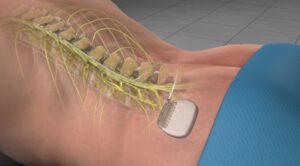

Sudden Lower Back Pain can be frightening. Especially when it disrupts your day without any clear cause. One moment you’re lifting a grocery bag, getting out of bed, or simply sitting at your desk, and the next, you’re dealing with sharp, persistent discomfort. While some episodes may result from a minor muscle strain, others can signal something more serious, such as nerve compression, disc injury, or an underlying spinal condition. Ignoring these warning signs may allow the problem to worsen over time.
At Cherry Medical, we understand how debilitating back pain can be. Our board-certified neurology and pain management specialists use advanced diagnostic tools to pinpoint the exact source of your pain. From minimally invasive spine procedures to targeted nerve treatments, we design personalized care plans focused not just on temporary relief—but on long-term recovery and restored quality of life. Below, we’ll highlight the 7 most common causes of sudden lower back pain that you should never ignore.
Relieve Sudden Lower Back Pain quickly with just one call to Cherry Medical at (714) 819-0000. Our experts are ready to help.
7 Common Causes of Sudden Lower Back Pain You Shouldn’t Ignore
Sudden lower back pain can strike without warning, disrupting your day and limiting movement. At Cherry Medical, we help identify the root cause quickly so you can get effective, personalized treatment. Here are 7 common causes of sudden lower back pain.
1. Muscle or Ligament Strain
Muscle or ligament strain is one of the leading causes of sudden lower back pain, especially after lifting heavy objects incorrectly, making abrupt twisting movements, or engaging in intense physical activity. Even prolonged poor posture can overstress the lower back muscles. Patients often describe stiffness, muscle spasms, localized tenderness, and difficulty standing upright. Although many cases improve with rest, targeted physical therapy, and anti-inflammatory care, persistent or worsening pain may signal a deeper structural issue requiring medical evaluation.
2. Herniated Disc
A herniated disc occurs when the soft inner core of a spinal disc pushes through its tougher outer layer, placing pressure on nearby nerves. This condition is a common cause of sudden and severe lower back pain. Pain from a herniated disc is often sharp, shooting, or electric in nature and may radiate into the leg (sciatica). Numbness, tingling, or muscle weakness are warning signs that should not be ignored. Early diagnosis helps prevent long-term nerve damage.
3. Sciatica
Sciatica is not a condition itself but a symptom caused by compression or irritation of the sciatic nerve, the largest nerve in the body. It frequently develops due to a herniated disc or spinal narrowing. Patients commonly report burning, stabbing, or electric-like pain that travels from the lower back into the buttock and down one leg. The pain may worsen with sitting, coughing, or prolonged standing.
4. Spinal Stenosis
Spinal stenosis occurs when the space within the spinal canal narrows, compressing the spinal cord or nerve roots. It is more common in older adults due to age-related degeneration. Symptoms may include chronic lower back pain, leg heaviness, weakness, numbness, and pain that worsens with walking but improves when bending forward. Without treatment, symptoms may progressively worsen.
5. Kidney Problems
Lower back pain is not always spinal in origin. Kidney infections or kidney stones can cause sudden, intense pain in the lower back or flank area. Unlike musculoskeletal pain, kidney-related pain is often accompanied by fever, chills, nausea, or changes in urination. These symptoms require prompt medical evaluation.
6. Vertebral Fracture
Sudden severe back pain following trauma (even minor trauma in patients with osteoporosis) may indicate a vertebral compression fracture. This type of fracture can lead to spinal instability, reduced mobility, and chronic pain if not treated promptly. Early intervention through specialized pain management procedures can significantly improve outcomes.
7. Inflammatory Conditions
Certain inflammatory disorders, such as ankylosing spondylitis, can trigger sudden or progressively worsening lower back pain, particularly in younger adults. Unlike mechanical back pain, inflammatory pain often feels worse after periods of rest and improves with movement. Early recognition is crucial to prevent long-term spinal damage.

| Causes of Sudden Lower Back Pain | Details (Description + Symptoms + Notes) | Cherry Medical Tip |
|---|---|---|
| Muscle or Ligament Strain | Overstretching or tearing of muscles/ligaments due to lifting, twisting, or overexertion. Stiffness, localized pain, muscle spasms Can become chronic if untreated | Rest, targeted physical therapy, anti-inflammatory care |
| Herniated Disc | Disc material pushes through its outer layer, irritating nearby nerves. Sharp, shooting pain, numbness, weakness, sciatica. Early diagnosis prevents nerve damage | Pain management, minimally invasive spine care |
| Sciatica | Compression or irritation of the sciatic nerve due to disc herniation or spinal stenosis. Burning, electric-like pain down leg, tingling, weakness. Can limit mobility | Nerve-targeted therapy, physical therapy, lifestyle adjustments |
| Spinal Stenosis | Narrowing of the spinal canal compressing nerves or spinal cord. Back pain, leg weakness, numbness, worsens with walking. Progressive nerve compression risk | Personalized evaluation, minimally invasive procedures, pain management |
| Kidney Problems | Infection or kidney stones causing sudden flank or lower back pain. Fever, nausea, urinary changes. Requires urgent attention | Immediate assessment, imaging, treatment of underlying cause |
| Vertebral Fracture | Fracture or collapse of a spinal bone, often due to trauma or osteoporosis. Sudden severe back pain, limited mobility. Can lead to instability or chronic pain | Specialized evaluation, pain management, stabilization procedures |
| Inflammatory Conditions | Autoimmune disorders like ankylosing spondylitis. Pain worse at rest, improves with movement, stiffness. Early diagnosis prevents long-term spinal damage | Rheumatology & neurology assessment, anti-inflammatory treatments |
Sudden Lower Back Pain in Females
Sudden lower back pain in females can occur due to a combination of hormonal changes, pregnancy, menstrual cycles, and differences in muscle structure or posture compared to men. These factors can make the lower back more vulnerable to strain, nerve irritation, or disc problems. While minor cases may result from muscle tension or overuse, more serious causes such as herniated discs, sciatica, or kidney issues should not be ignored. At Cherry Medical, our experts provide precise evaluation and personalized treatments to relieve pain, protect spinal health, and restore mobility safely.

Sudden Lower Back Pain in Males
Sudden lower back pain in males is often linked to heavy lifting, intense workouts, prolonged sitting, or poor posture. Men are more prone to muscle strain, joint wear, and disc problems due to higher physical demands at work or during sports. While minor aches may improve with rest, sharp or persistent pain could indicate herniated discs, nerve compression, or spinal conditions that require professional care. At Cherry Medical, our team specializes in evaluating the root cause and providing tailored treatments to relieve pain, strengthen the back, and restore daily mobility safely.
Sudden lower back pain without injury
Sudden lower back pain can occur even without a specific injury. Some common causes include:
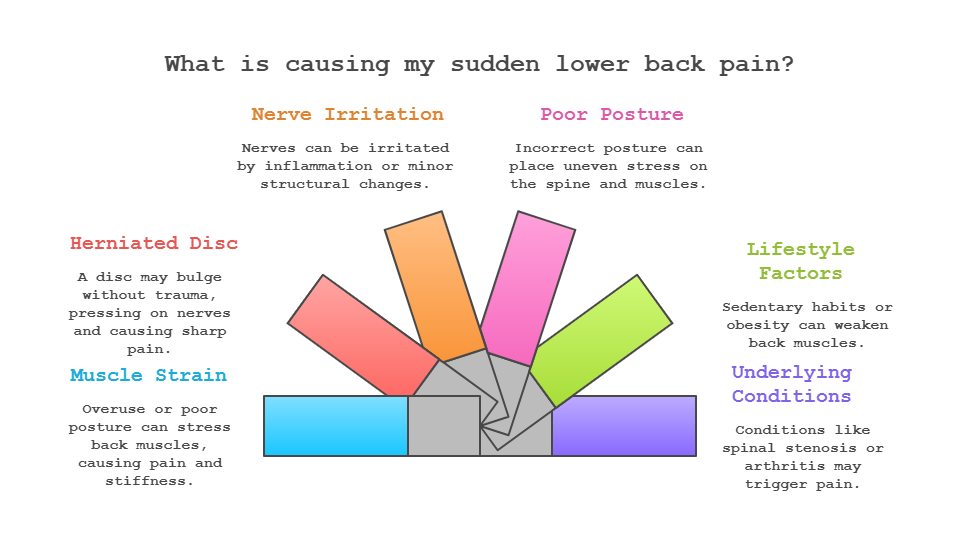
- Muscle Strain: Overuse, sudden twisting, or poor posture can stress the back muscles, causing pain and stiffness.
- Herniated Disc: A disc may bulge or slip even without trauma, pressing on nerves and causing sharp or radiating pain.
- Nerve Irritation: Nerves in the lower back can become irritated from inflammation, degeneration, or minor structural changes.
- Poor Posture: Sitting or standing incorrectly for long periods can place uneven stress on the spine and muscles.
- Lifestyle Factors: Sedentary lifestyle, obesity, or lack of exercise can weaken back muscles, making sudden pain more likely.
- Underlying Spinal Conditions: Even without trauma, conditions like spinal stenosis, arthritis, or degenerative disc disease may trigger sudden pain.
Read more: Lower Back Pain Treatment in Santa Ana: Expert Exercises and Care
FAQs about Common Causes of Sudden Lower Back Pain You Shouldn’t Ignore
Sudden lower back pain can be confusing and worrying. Many people have questions about why it happens, how to relieve it, and when to seek medical care. Below, we answer the most frequently asked questions to help you understand the causes, symptoms, and treatment options for sudden lower back pain. If you need further guidance or specialized consultation, feel free to Contact Us. Our team at Cherry Medical is here to help.
Is sudden lower back pain always serious?
Not always. Some cases are due to temporary muscle strain or tension. However, severe, persistent pain or pain with numbness and weakness should be evaluated by a doctor.
What causes sudden lower back pain without any injury?
Sudden back pain without trauma can happen due to muscle strain, poor posture, disc problems, nerve irritation, or underlying spinal conditions like spinal stenosis or arthritis. Lifestyle factors such as sedentary habits or obesity can also contribute.
Why do women experience sudden lower back pain more often?
Women may experience sudden back pain due to hormonal changes, pregnancy, menstrual cycles, and differences in pelvic structure and muscle support. These factors can make the lower back more vulnerable to strain or nerve irritation.
What triggers sudden lower back pain in men?
Can kidney problems cause sudden lower back pain?
Yes. Kidney infections or kidney stones can cause sharp, sudden pain in the lower back, often accompanied by fever, nausea, or urinary changes. This type of pain requires immediate medical attention.
How do I know if my sudden lower back pain is a herniated disc or sciatica?
Herniated discs and sciatica usually cause sharp, radiating pain down the leg, numbness, tingling, or weakness. Pain may worsen with sitting, bending, or twisting. A proper evaluation by a specialist is essential to confirm the cause.
When should I see a doctor for sudden lower back pain?
Seek medical attention if your pain is severe, persistent, radiates to the leg, limits movement, or is accompanied by numbness, weakness, or bladder/bowel issues. Early diagnosis helps prevent long-term complications.
Can lifestyle changes prevent sudden lower back pain?
Yes. Maintaining proper posture, exercising regularly, strengthening core and back muscles, avoiding heavy lifting without proper technique, and managing weight can significantly reduce the risk of sudden back pain.
Which exercises can help reduce sudden lower back pain?
Stretching, core and back strengthening exercises, yoga, and walking can help prevent and relieve sudden lower back pain.
Can stress cause sudden lower back pain?
Yes. Stress and anxiety can lead to muscle spasms, tension, and increased nerve sensitivity in the lower back.
When should I see a doctor immediately for sudden lower back pain?
Seek urgent medical care if your pain is accompanied by numbness, leg weakness, bladder or bowel problems, fever, or severe discomfort. Dr. Alireza Bozorgi is a board-certified neurologist and pain management specialist with over 20 years of clinical and research experience. He has completed multiple fellowships and residencies in neurology and pain management, maintains active medical licensure in California, and has published numerous peer-reviewed research articles.
For a full overview of Dr. Bozorgi’s education, certifications, professional experience, and publications, you can view his complete CV here.
How can I book an appointment at Cherry Medical?
You can easily book an appointment with Dr. Alireza Bozorgi at Cherry Medical by:
- Calling us: (714) 819-0000
- Online booking:
- visit our website, “www.cherrymedical.org“ and fill out the appointment request form
- book online in the scheduling website at “http://www.patientfusion.com/doctor/alireza-bozorgi-30060“
- send us an email at “ask@cherrymedical.org“